

The Science Behind SBR Wastewater Treatment: How Sequential Batch Reactors Work
Core Principle: Time-Based Processing Over Space Separation
Sequential Batch Reactor (SBR) technology revolutionizes biological wastewater treatment by performing all critical processes-biological reaction, sedimentation, and decanting-within a single tank through timed phases. Unlike continuous-flow systems requiring multiple tanks, SBR leverages hydraulic retention time (HRT) control to create alternating aerobic, anoxic, and anaerobic conditions. This enables simultaneous organic matter decomposition, nitrification, denitrification, and phosphorus removal without physical partitions or sludge recirculation. Microbial communities dynamically adapt to cyclical environmental shifts, achieving >95% COD removal and >90% nutrient reduction in municipal and industrial applications.

1. Operational Stages & Biochemical Mechanisms
1.1 Phase-Specific Microbial Metabolism
- Filling Phase:
Wastewater enters the reactor, mixing with residual biomass from the previous cycle. In non-aerated filling mode, hydrolytic bacteria break down complex organics into soluble substrates, while polyphosphate-accumulating organisms (PAOs) release orthophosphates-preparing for aerobic phosphorus uptake.
- Reaction Phase:
Aerobic conditions dominate during controlled aeration (*DO: 2–4 mg/L*). Autotrophic Nitrosomonas and Nitrobacter oxidize ammonia to nitrate (nitrification), while heterotrophs consume BOD. PAOs absorb phosphates 3–5x beyond metabolic needs. Intermittent anoxic periods (via mixing without aeration) trigger denitrification-Pseudomonas and Paracoccus reduce nitrates to N₂ gas using organic carbon.
- Settling & Decanting Phases:
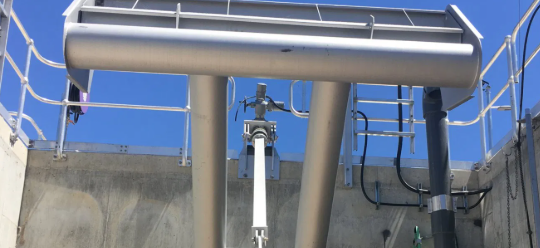
Under quiescent conditions, sludge settles with velocities >2 m/h-faster than conventional clarifiers due to floc compaction during idle phases. Floating decanters (e.g., weirs or motorized arms) extract clarified effluent without disturbing sludge.
1.2 Cycle Optimization Strategies
| Wastewater Type | Cycle Duration | Key Phase Adjustments | Target Removal Efficiency |
|---|---|---|---|
| Municipal (BOD < 200 mg/L) | 4–6 hours | 2x anoxic/aerobic alternations | BOD >95%, TN >85% |
| Food Industry (High Fats) | 8–12 hours | Extended anoxic filling; enzymatic pretreatment | FOG removal >90% |
| Shock Loads (Toxicity) | Dynamic cycle | Real-time DO/ORP monitoring; flexible phase extension | COD reduction >85% |
2. Advantages Over Conventional Activated Sludge (CAS)
2.1 Structural & Economic Efficiency
SBR eliminates secondary clarifiers, sludge return pumps, and anaerobic digesters-reducing footprint by 40% and civil costs by 30%. Its modular design allows incremental expansion by adding parallel reactors, bypassing costly retrofits.
2.2 Resilience Against Variable Inputs
Hydraulic Buffering: Stored biomass dilutes incoming pollutants, tolerating 2–3x flow surges (e.g., stormwater inflows).
Sludge Selector Effect: Cyclic feast-famine conditions suppress filamentous bacteria (e.g., Sphaerotilus natans), maintaining sludge volume index (SVI) <120 mL/g versus CAS's frequent bulking.
3. Industrial Applications & Limitations
3.1 High-Performance Case Studies
- Eel Processing Wastewater (COD: 1,300 mg/L):
SBR coupled with grease traps achieved 94% COD removal and 96% ammonia reduction despite lipid loads. Phosphorus uptake exceeded 90% through phased aeration.
- River Remediation (Emergency Projects):
Containerized SBR units deployed within 10 days restored Grade IV surface water standards (NH₄⁺ <1.5 mg/L, TP <0.3 mg/L) for polluted urban streams.
3.2 Constraints Requiring Mitigation
- Continuous Inflows: Requires equalization tanks for flow balancing.
- Foam Accumulation: Addressed via silicone-free defoamers or surface skimmers.
- Energy Intensity: Upgrading to high-efficiency jet aeration cuts power use by 30%.
4. Innovations Expanding SBR Capabilities
4.1 Hybrid Process Integration
- CASS (Cyclic Activated Sludge System):
Divides tanks into biological selector, anaerobic, and aerobic zones-boosting phosphorus removal to <0.5 mg/L effluent.
- MSBR (Modified SBR):
Combines SBR with A²/O through inter-tank recirculation, enabling simultaneous nitrification-denitrification at low C/N ratios.
4.2 Smart Control Systems
AI algorithms analyze real-time pH/ORP trends to detect nitrification endpoints, shortening reaction phases by 20%. IoT-enabled blowers modulate air supply based on ammonia sensors, slashing energy use.
Conclusion: Strategic Niche in Decentralized Treatment
SBR excels where space, budget, or inflow variability constrain conventional plants-small communities, seasonal industries, and emergency remediation. Ongoing advances in automation and hybrid designs solidify its role in sustainable water reuse.