


MBR
JUNTAl: Your Professional MBR Manufacturer!
Hangzhou Juntai was founded in 2013, with a dedicated manufacturing facility established in Anhui Province under the name Anhui Juntai Technology Co., Ltd. Located in Anqing City, our factory has rapidly grown into a recognized leader in the water treatment industry. The company's main products include tube settler, disc diffuser, tube diffuser, sludge dewatering machine, bio block, etc.


Why Choose Us?
Rich Experience
With over 20 years of industry experience, our team of professional environmental engineers is committed to developing innovative and high-quality solutions that are customized to meet the specific needs of our clients.
Advanced Equipment
We are a production-oriented factory, and advanced equipment is the basis for quality assurance. Try to use the control of the device to reduce the chance of human error. Use equipment to improve production efficiency and reduce labor intensity.
Professional service
Professionalism is key. We have a team of experts who know the ins and outs of water treatment. They can give you the best advice and support, making sure you get the most out of our products. Good service means better solutions for you.
Customized Services
At JUNTAI, we don't just supply MBBR media-we engineer customized biofilm ecosystems to maximize efficiency in your wastewater treatment systems. From concept to completion, our expertise ensures every detail aligns with your project's unique challenges and goals.
Benefits of MBR
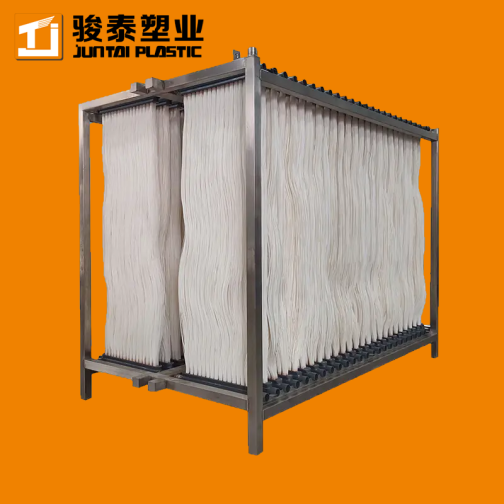
Uncoupling HRT and SRT
A significant advantage of the membrane bioreactor process is that the biological solids (mixed liquor or sludge) are completely retained in the bioreactor. This means the solids retention time (SRT) in the bioreactor can be controlled independently from the hydraulic retention time (HRT).
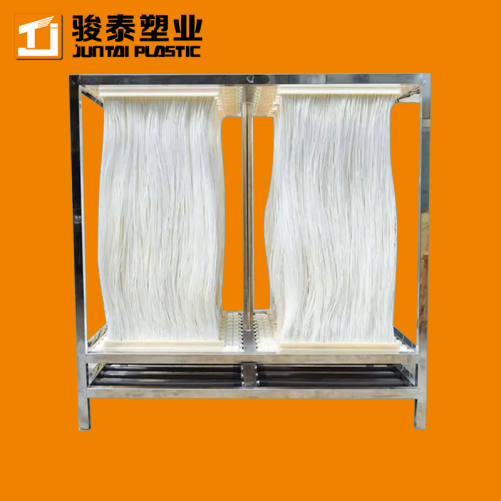
High quality effluent
MBR processes provide a substantially clarified and disinfected effluent of high enough quality to be discharged to sensitive receiving bodies or to be reclaimed for applications such as urban irrigation, utilities or toilet flushing. It is also of high enough quality for feeding directly to a reverse osmosis process.
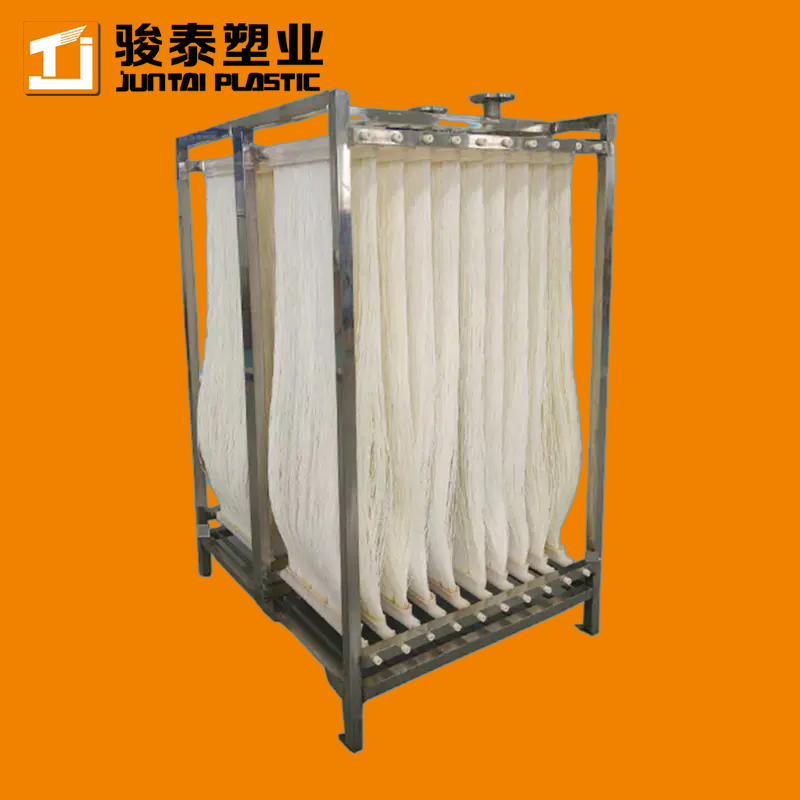
Small footprint
The retention of the solids in the reactor and the increase in SRT to generate higher biomass solids concentrations impacts on the plant footprint. The increased concentrations mean that the same total mass of solids is contained in a smaller volume, so the footprint is smaller.
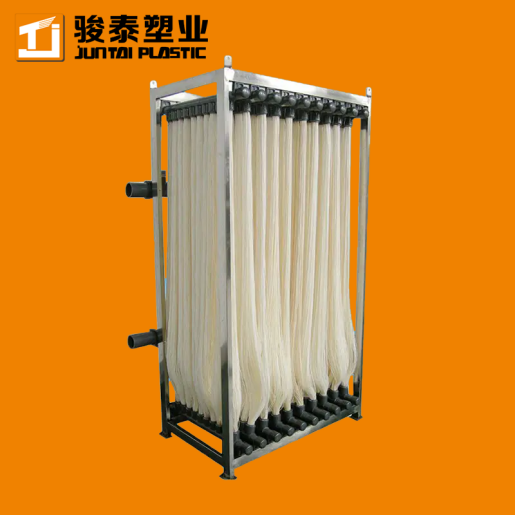
Better biotreatment
Lastly, the longer solids retention times tend to provide better biotreatment overall. The conditions encourage the development of the slower-growing micro-organisms, specifically nitrifiers. MBRs are especially effective at the biological removal of ammonia (‘nitrification’).
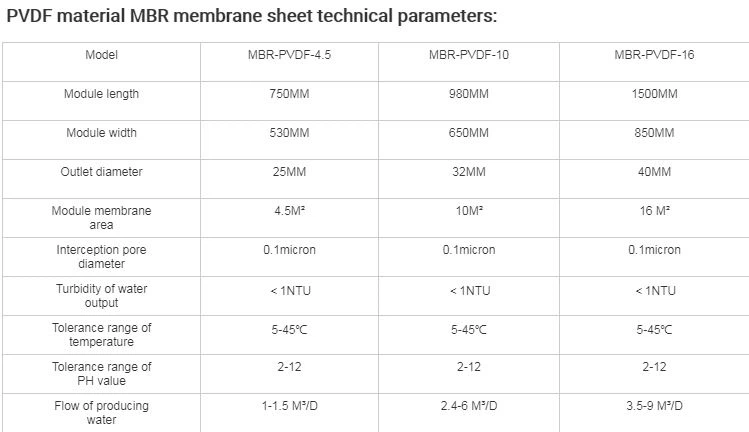
Product Parameters
Application of MBR
Municipalities often employ MBR membranes to treat sewage and other forms of domestic wastewater. These systems help meet strict environmental standards by producing high-quality effluent, which can either be safely discharged back into natural water bodies or repurposed for non-potable uses, such as irrigation or landscape watering.
Industries, including food and beverage processing, pharmaceuticals, chemicals, and textiles, generate large volumes of wastewater that often contain toxic chemicals and organic pollutants. MBR systems are commonly used in these sectors to treat wastewater before it’s either released into the environment or reused within the facility. For example, in food processing plants, MBR membranes ensure that fats, oils, and greases (FOG) are effectively filtered out, preventing environmental contamination.
With growing concerns over water scarcity, MBR membranes are increasingly being utilized in water reuse projects. The treated water is often recycled for various applications, including agricultural irrigation, industrial cooling, and even toilet flushing in large commercial buildings. By employing MBR technology, industries and municipalities alike can significantly reduce their water consumption and overall environmental impact.
MBR technology is also gaining popularity in decentralized wastewater treatment systems. These are smaller-scale systems designed to treat wastewater at or near the source, such as in remote or rural areas, housing developments, resorts, or isolated industrial sites. MBR systems are ideal for these applications due to their compact size and ability to consistently deliver high-quality effluent without the need for extensive infrastructure.
By using MBR membranes, both industrial and municipal wastewater treatment plants can significantly reduce their environmental footprint. The ability to produce highly purified water means less strain on freshwater resources, and the compact nature of the systems reduces the space required for treatment facilities. Additionally, the water reuse capabilities of MBR membranes support sustainable practices by minimizing water consumption and promoting recycling initiatives.
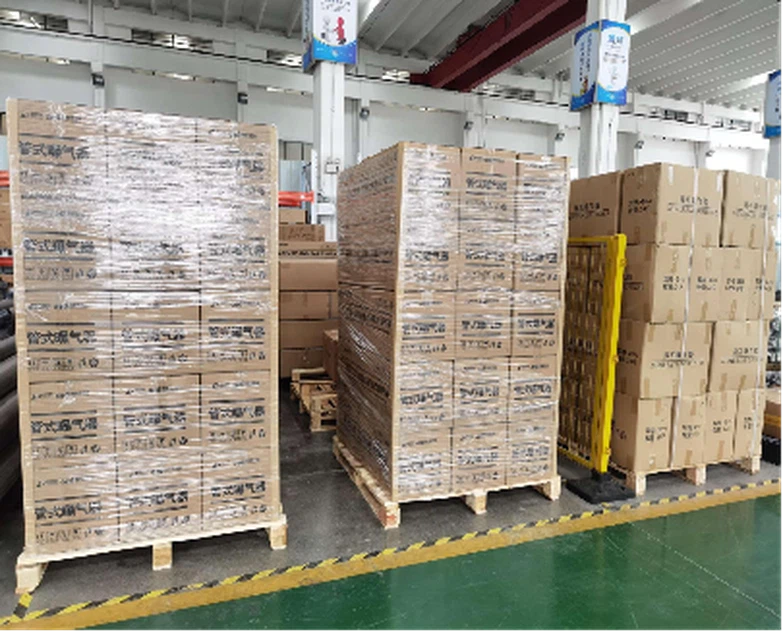
Packaging and Shipping

FAQ
We're professional mbr manufacturers in China, specialized in providing high quality products and service. We warmly welcome you to buy high-grade mbr made in China here from our factory.