


When a 60,000 m³/d municipal wastewater treatment plant in Zhejiang Province faced a winter TN compliance crisis - biological nitrogen removal collapsing to just 28.52% when water temperature dropped below 12°C - it could not build a single new tank. Land was scattered, the plant ran at 110% of design flow, and the aging Lipp steel SBR reactors could not be structurally modified. The answer was to embed MBBR moving bed biofilm carriers directly inside the existing SBR tanks. Twelve months later, biological TN removal reached 69.85%, TP removal climbed from 70.9% to 79.3%, and the total incremental operating cost was only 0.024 RMB/m³.
The Compliance Risk Behind The Upgrade
Built in 2004 as Phase I & II with a design capacity of 60,000 m³/d, the plant treats a mix of roughly 80% domestic sewage and 20% industrial wastewater from textile and paper mills. The main biological treatment stage is an SBR system comprising 12 Lipp steel tank reactors, each 32 m in diameter with a working volume of 5,000 m³ and a design throughput of 5,000 m³/d. The original treatment train was:
Raw Sewage → Coarse Screen → Primary Settler → SBR Selector → SBR Tank → Buffer Tank → High-Efficiency Clarifier → Denitrification Deep-Bed Filter → Disinfection → Discharge
In 2014 the plant had already been upgraded to meet the Class A limits of GB 18918-2002 by adding a high-efficiency clarifier and a denitrification deep-bed filter. But in 2018 the Zhejiang provincial government issued the far stricter DB 33/2169-2018 standard, which requires effluent TN ≤ 12 mg/L and TP ≤ 0.3 mg/L. Analysis of 2019–2020 operational data told a clear story: COD, NH₃-N and SS consistently passed, but effluent TP hovered near the upper limit and TN showed a seasonal exceedance risk in winter. When the biological tank water temperature fell below 12°C, the SBR's biological TN removal dropped to only 28.52%, forcing the downstream denitrification filter to carry more than 45% of total TN removal through carbon source dosing - an expensive and compliance-fragile crutch.
Why New Tanks Were Not An Option
The upgrade was constrained by five hard realities that immediately ruled out conventional activated-sludge expansion:
• The plant was already operating at or above design capacity - peak daily flow reached 67,000 m³/d against a 60,000 m³/d design - leaving zero hydraulic margin for construction shutdown.
• The SBR tanks were 10-year-old Lipp steel structures; cutting into or reinforcing them for structural modification was extremely difficult and risky.
• Available land inside the plant boundary was scattered, irregularly shaped, and far too small for new biological treatment basins.
• The construction window overlapped the flood season, and the plant could not be shut down, could not reduce treatment volume for extended periods, and could not discharge substandard effluent during construction.
• Existing sludge dewatering facilities had not been expanded, which limited the plant's ability to waste excess sludge from the biological tanks.
After evaluating the options, the design team selected SBR+MBBR as the core solution: embed suspended biofilm carriers directly into the existing SBR tanks without altering the tank structure, add MBBR-specific mixers and inlet/outlet retention screens, and re-optimize the SBR cycle timing to favor denitrification. This preserved the capital already invested in the steel tanks while unlocking a step-change in biological nitrogen removal capacity.
Design Water Quality Targets
The design influent and effluent water quality parameters are summarized below. Note that the parenthetical values for NH₃-N and TN are the winter limits applied when water temperature is below 12°C - the most demanding operating regime and exactly where the original SBR system failed.
| Parameter | Influent | Effluent |
| CODcr (mg/L) | ≤ 370 | ≤ 40 |
| BOD₅ (mg/L) | ≤ 180 | ≤ 10 |
| NH₃-N (mg/L) | ≤ 25 | ≤ 2 (4 in winter) |
| TN (mg/L) | ≤ 40 | ≤ 12 (15 in winter) |
| TP (mg/L) | ≤ 6 | ≤ 0.3 |
The 0.3 mg/L TP limit is particularly demanding for a biological system, which is why the plant combines biological phosphorus uptake with PAC dosing at the high-efficiency clarifier as a polishing step. The TN design targets, meanwhile, demanded that the biological stage do the heavy lifting so that the downstream denitrification filter no longer had to compensate for winter biological losses.
Retrofit Design: MBBR Inside Existing SBR Tanks
The retrofit converted all 12 existing SBR tanks into SBR+MBBR reactors while preserving the existing selector zone and main reaction zone volumes. Within the main reaction zone, MBBR zones were established and fitted with suspended biofilm carriers plus inlet/outlet retention screen systems to prevent carrier loss. A wear-resistant coating was applied to the inner wall of each Lipp steel tank to protect the steel surface against abrasion from the moving carriers over the long service life.
Core design parameters of the SBR+MBBR system were: steel tank reactor of 32 m diameter and 5,000 m³ volume, MBBR carrier effective specific surface area ≥ 400 m²/m³, retention screen flow velocity ≤ 0.05 m/s, and screen porosity of 38%–40%. The existing membrane disc aeration system was retained and reused, which further reduced both equipment cost and construction work.
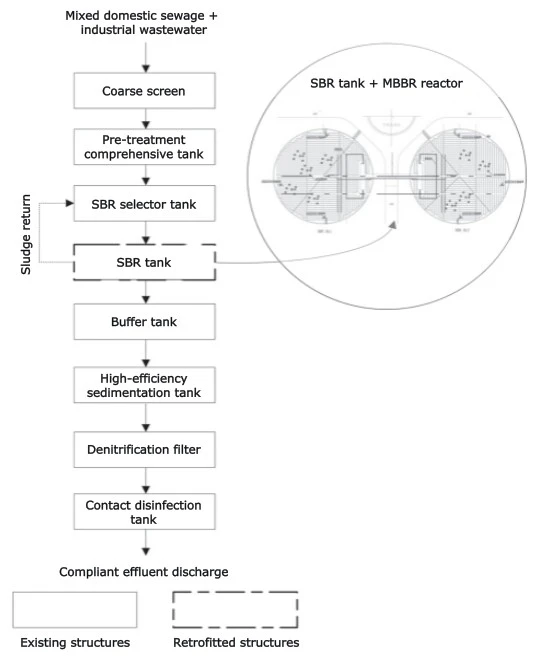
Figure 1: Upgraded Process Flow
The post-upgrade process flow is shown above. The key construction strategy was to retrofit one SBR tank at a time, coordinating flow between Phase I/II and the newer Phase III plant during the construction period so total treatment capacity was never reduced. This sequential approach is what allowed the project to run through the flood season without shutdown or substandard discharge.
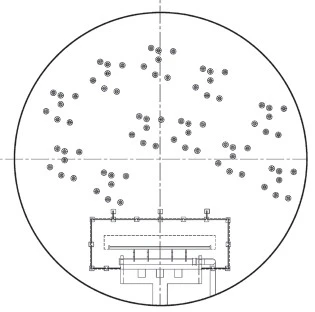
Figure 2: SBR+MBBR Reactor Retrofit Layout
The main equipment added for the MBBR system is summarized in the table below. Together, these items converted a batch aeration tank into a hybrid suspended-attached growth reactor capable of both nitrification and denitrification within the same cycle.
| No. | Equipment | Specifications | Quantity |
| 1 | MBBR dedicated mixers | φ = 1,000 mm, N = 5.5 kW | 36 units |
| 2 | Inlet/outlet retention screens | SS304 stainless steel | 12 sets |
| 3 | Decanter | Q = 1,245 m³/h, H = 2.26 m, N = 1.5 kW | 12 units |
| 4 | MBBR biofilm carriers | Effective SSA ≥ 400 m²/m³, polyurethane | 1,830 m³ |
| 5 | Aeration system | Membrane disc diffusers (existing, retained) | 12 sets |
Why The Process Control Re-Tuning Mattered
Hardware alone was not enough - the SBR cycle logic also had to change to create an anoxic denitrification window. The original SBR cycle was 6 hours per batch: fill 1 h (with aeration), react 2 h, settle 1.5 h, decant 1.5 h. The problem with this sequence was that aeration during the fill phase consumed the carbon source through oxidation rather than saving it for denitrification.
After adding the denitrification mixers, the fill phase was switched to non-aerated (anoxic) mixing. The optimized cycle became: fill 1 h (anoxic mixing), react 1 h, settle 1 h, decant 1 h. This simple re-sequencing created an anoxic zone where heterotrophic denitrifiers could reduce nitrate to nitrogen gas using the influent carbon source - dramatically cutting the external carbon requirement downstream.
During winter (mid-November to mid-March), when the average biological tank water temperature dropped below 12°C, the cycle was extended beyond 6 hours to compensate for reduced microbial activity. In addition, magnetically coagulated sludge from the tertiary treatment stage was dosed back into the SBR tanks to improve sludge settleability and enhance nitrogen removal capacity - a clever reuse of a by-product that also stabilized sludge sedimentation in the cold season.
Operational Results And Performance
The SBR+MBBR upgrade was completed and commissioned in December 2022. The performance data below compares the biological stage before and after the retrofit - and the improvement is most visible precisely in the winter months that previously caused compliance failures.
Total Nitrogen Removal: From 28.52% to 69.85%
After the upgrade, the SBR biological stage TN removal efficiency increased from approximately 28.52% to 69.85%. Two mechanisms drive this improvement. First, anoxic mixing during the fill phase provided optimal conditions for denitrification by letting influent carbon fuel nitrate reduction. Second, the MBBR carriers fixed and enriched slow-growing nitrifying bacteria on their protected surface, enhancing nitrification even at low temperature where suspended-growth nitrifiers struggle. In the optimized two-stage denitrification system (SBR biological stage + downstream denitrification filter), the biological stage now accounts for roughly 85% of total nitrogen removal, compared to under 24% before the upgrade - which is why carbon source consumption at the denitrification filter fell so sharply.
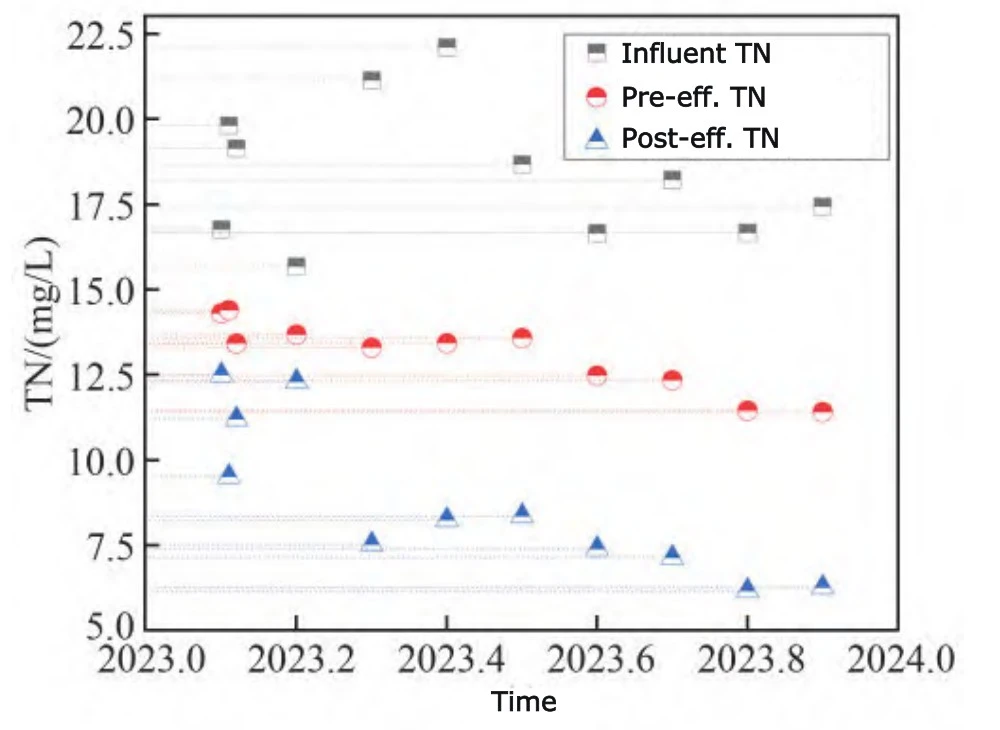
Figure 3: Effluent TN Before And After Upgrade
Total Phosphorus Removal: 70.9% to 79.3%
Without adding chemical phosphorus removal agents at the biological stage, the SBR biological TP removal improved from 70.9% (influent 2.86 mg/L, effluent 0.81 mg/L) to 79.3% (influent 3.05 mg/L, effluent 0.63 mg/L) - a year-on-year improvement of 8.4%. The denser, more stable biomass supported by the carriers, combined with the improved sludge settleability, contributed to this gain. When combined with PAC dosing at the high-efficiency clarifier, the final effluent TP reliably met the stringent ≤ 0.3 mg/L standard.

Figure 4: Effluent TP Before And After Upgrade
Technical And Economic Comparison
The total investment for the SBR+MBBR retrofit was approximately 19 million RMB, and the direct operating cost increase was only 0.024 RMB/m³. The table below compares the SBR+MBBR process against the two main alternative upgrade technologies: conventional A²/O activated sludge and MBR membrane bioreactor.
| Comparison Item | Conventional A²/O | SBR+MBBR (This Case) | MBR |
| Equipment investment (per 10,000 m³/d) | 150–200 万元 | 300–450 万元 | 1,000–1,200 万元 |
| Land area required | 7,000–8,000 m² per 10,000 m³/d | ~30% less than conventional | Small |
| Direct operating cost | 0.04–0.05 RMB/m³ | 0.06–0.08 RMB/m³ | 0.7–0.8 RMB/m³ |
| O&M requirements | Low | Relatively low | High (regular membrane cleaning) |
The comparison makes the value proposition clear. MBR delivers excellent effluent quality but at 3–4 times the equipment investment and roughly 10 times the operating cost of SBR+MBBR, plus heavy membrane-cleaning maintenance. Conventional A²/O is cheap to build but requires large land area - precisely the resource this plant did not have. SBR+MBBR sits in the balanced middle: moderate investment, roughly 30% less land than conventional, relatively low operating cost, and simple maintenance. For existing plant upgrades where land is constrained and construction disruption must be minimized, it is the pragmatic winner.
Conclusions And Industry Implications
This engineering case study demonstrates several conclusions that matter for the wider water treatment industry:
• SBR+MBBR solves TN removal in SBR systems. By embedding MBBR carriers into existing SBR reactors and optimizing the aeration/mixing cycle, biological TN removal rose from 28.52% to 69.85%. This eliminated the need for excessive carbon source dosing at the downstream denitrification filter and secured compliance even during winter low-temperature conditions.
• No new structures required. The entire biological upgrade was achieved without constructing any new tanks - a decisive advantage for space-constrained plants. The existing Lipp steel tank structure was preserved with only minor modifications: a wear-resistant coating, added mixers, and retention screens.
• Low incremental operating cost. A total investment of 19 million RMB and an operating cost increase of just 0.024 RMB/m³ make this highly cost-effective compared with alternatives such as MBR at 0.7–0.8 RMB/m³.
• Proven winter performance. The process delivered robust removal at water temperatures below 12°C, a common challenge for biological nitrogen removal in temperate climates.
• Scalable and replicable. The sequential single-tank retrofit approach enables implementation without plant shutdown, making it suitable for other aging SBR-based plants facing similar upgrade requirements.
Our MBBR And Inclined Tube Settler Solutions
This case study highlights the critical role that integrated biological and physical treatment processes play in modern wastewater treatment plant upgrades. Our company offers a complete range of complementary products for exactly this kind of project:
• MBBR biofilm carriers - polyurethane and HDPE media with specific surface areas from 400 to 800 m²/m³ to suit different process configurations and treatment targets;
• MBBR retention screens and systems - custom-designed SS304 inlet/outlet screening solutions to prevent carrier loss;
• Inclined tube settlers - PP/PVC honeycomb tube media for high-efficiency solid-liquid separation in clarifiers and sedimentation tanks, complementing MBBR biological treatment;
• Fine bubble disc diffusers - EPDM membrane disc diffusers with 20–50 μm pore size for high-efficiency aeration in biological reactors;
• Technical support - complete design assistance for MBBR retrofits, including carrier selection, aeration design, retention screen sizing, and process optimization.
Lift TN Removal From 28% to 70% in an SBR
Retrofitting SBR tanks with MBBR media boosted TN removal to 69.85% at just 0.024 RMB/m3 added cost - no new tanks. Juntai MBBR media makes the upgrade simple.