




Description
Technical Parameters
MBBR (Moving Bed Biofilm Reactor) technology is an efficient water treatment method that removes contaminants from water by suspending biofilm-coated carriers (biomedia) in the water. Biofilmformation, or biofouling, is one of the core processes of MBBR technology, crucial for the system's efficiency and stability. Juntai hasextensive experience in researching MBBR technology. To addressbiofilm issues in MBBR, we can start from the following aspects to assist you in solving technical problems.
Principles of Biofilm Formation
The biofilm formation process typically includes the initial microbial adsorption, growth, and maturation stages. During this process, microbes adhere to the biomedia in the MBBR reactor, forming a stable biofilm. Factors such as temperature, pH, dissolved oxygen, nutrient concentration (e.g., nitrogen, phosphorus), water flow rate, and the material and surface properties of the carriers can influence the speed and quality of biofilm formation.
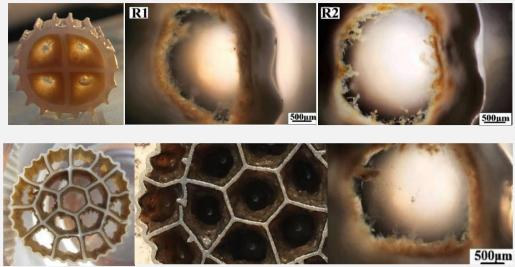
Factors Affecting Biofilm Formation
•Slow Biofilm Formation: Conditions like low temperatures, insufficient nutrients, and unsuitable pH values may lead to slow biofilm formation.
•Biofilm Detachment: High flow rates, mechanical damage, or internal anoxia caused by overly thick biofilms can cause biofilm detachment.
Uneven Biofilm Thickness: Uneven water distribution or carrier aggregation can lead to uneven biofilm thickness, affecting treatment efficiency.
•Biofilm Aging: Over time, biofilms may age and become less efficient, necessitating cleaning or replacement of the carriers to address this issue.
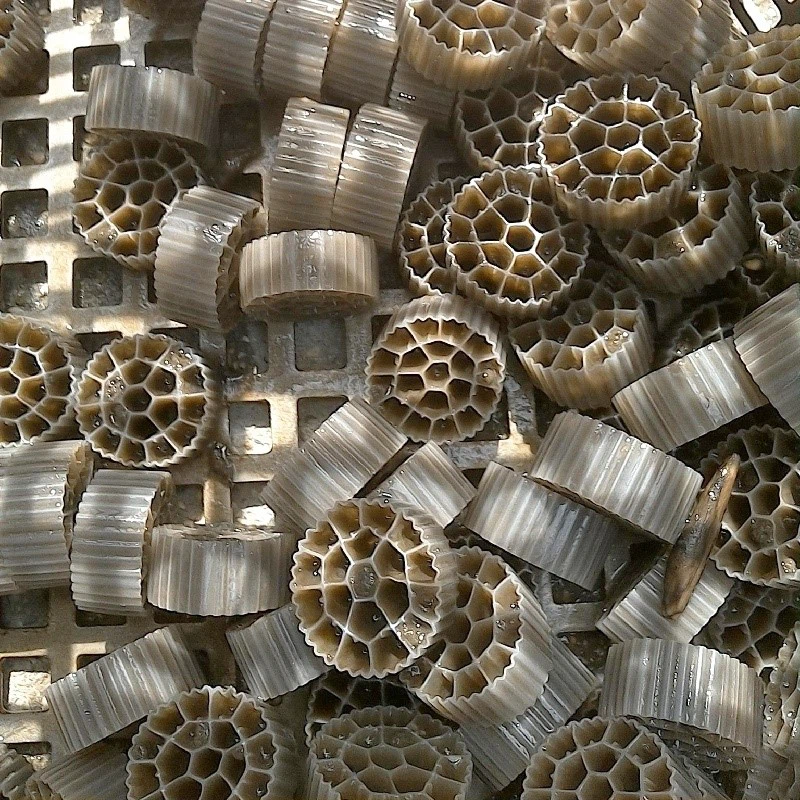

Biofilm Formation Methods
- Inoculation Start-up
Direct Inoculation: Adding active sludge or specific microbial strains
directly to the MBBR system to accelerate biofilm formation.
Indirect Inoculation: Introducing water containing microbes into
the MBBR system through circulation, using the existing microbial
community to promote biofilm formation.
- Nutrient Adjustment
Adding Carbon Source: Promoting microbial growth and biofilm
formation by adding an appropriate amount of carbon source, such as
glucose, to the system.
Adjusting N/P Ratio: Optimizing the nutrient balance required for
microbial growth by adjusting the nitrogen to phosphorus ratio,
facilitating rapid biofilm development.
- Environmental Conditions Optimization:
Temperature Control: Maintaining the MBBR system within the
optimal temperature range for microbial growth to promote biofilm
formation and stability.
pH Adjustment: Maintaining a suitable pH level, neither too acidic
nor too alkaline, to facilitate microbial attachment and biofilm
development.
Increasing Dissolved Oxygen: Ensuring an adequate supply of
dissolved oxygen is crucial for promoting the growth of aerobic
microbes and biofilm formation.
- Carrier Surface Treatment
Surface Roughening: Increasing the carrier surface roughness
through physical or chemical methods to enhance microbial
attachment area and adhesion.
Surface Modification: Using surfactants or other chemical
treatments to improve the hydrophilicity or hydrophobicity of the
carrier surface, promoting the attachment of specific types of
microbes.
- Controlling Hydraulic Retention Time and Flow Rate
Adjusting Hydraulic Retention Time (HRT): Optimizing the time
water flows through the MBBR system to ensure microbes have
sufficient time for attachment and growth.
Adjusting Flow Rate: Controlling the flow rate to prevent biofilm
detachment caused by too rapid flow.


