
|
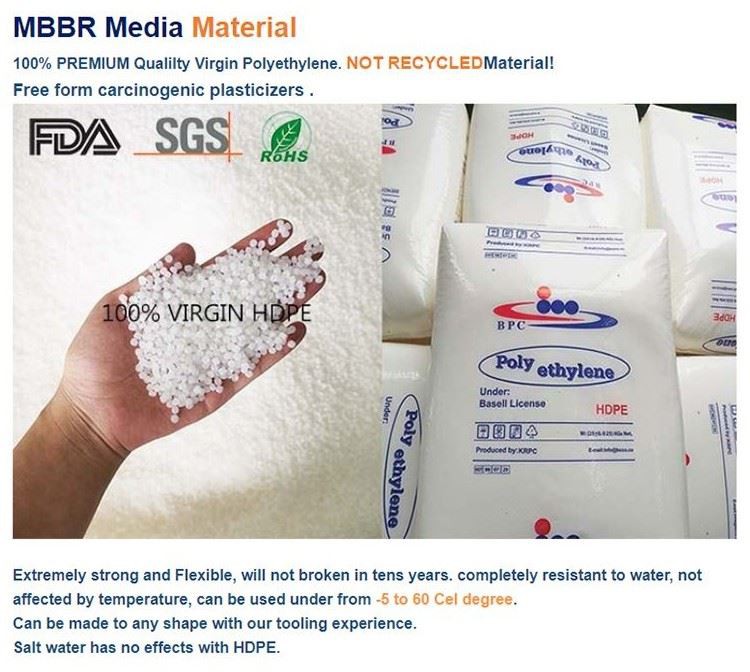
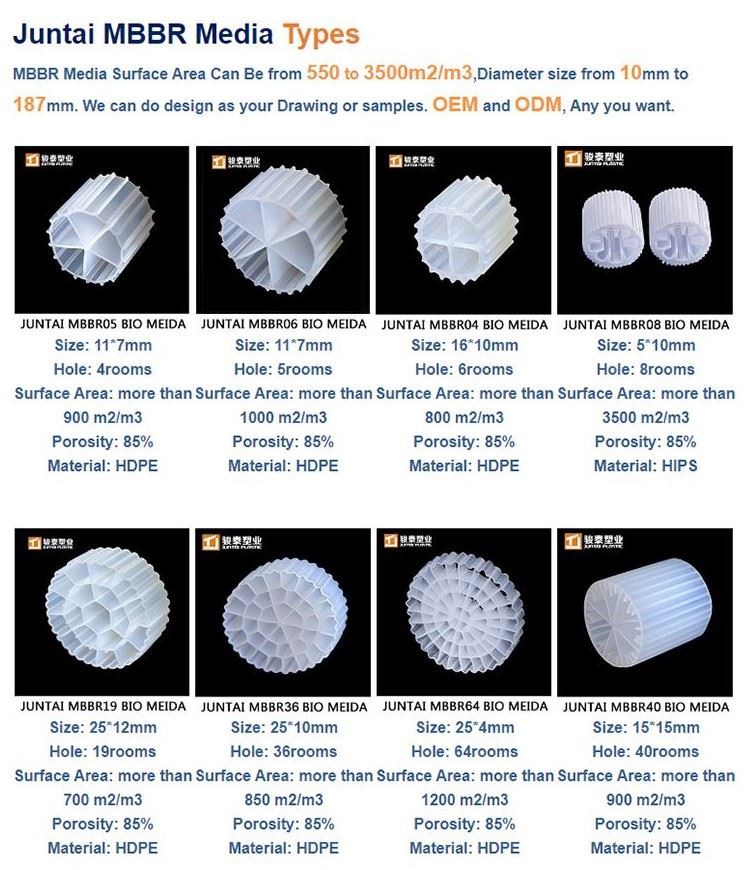
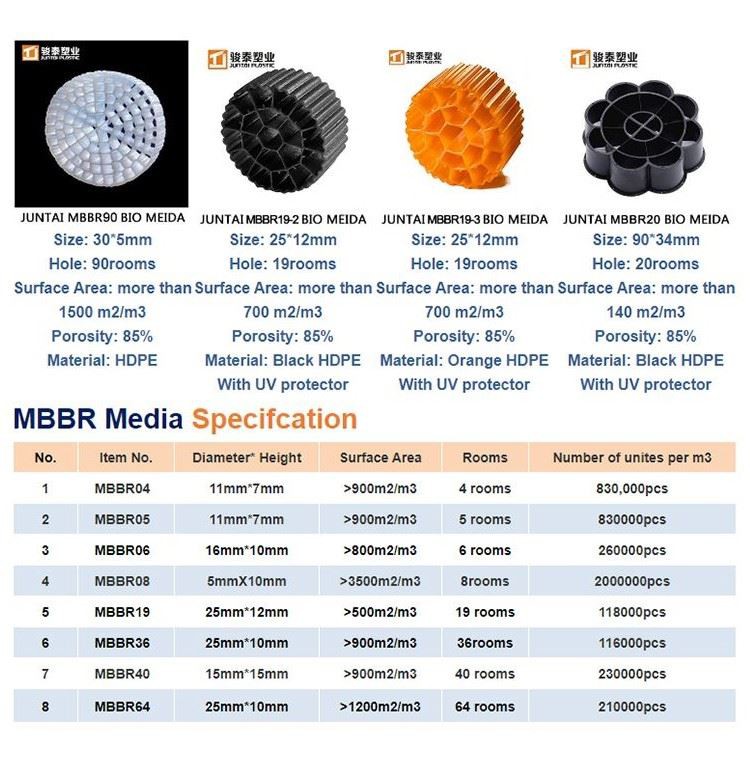
Type: |
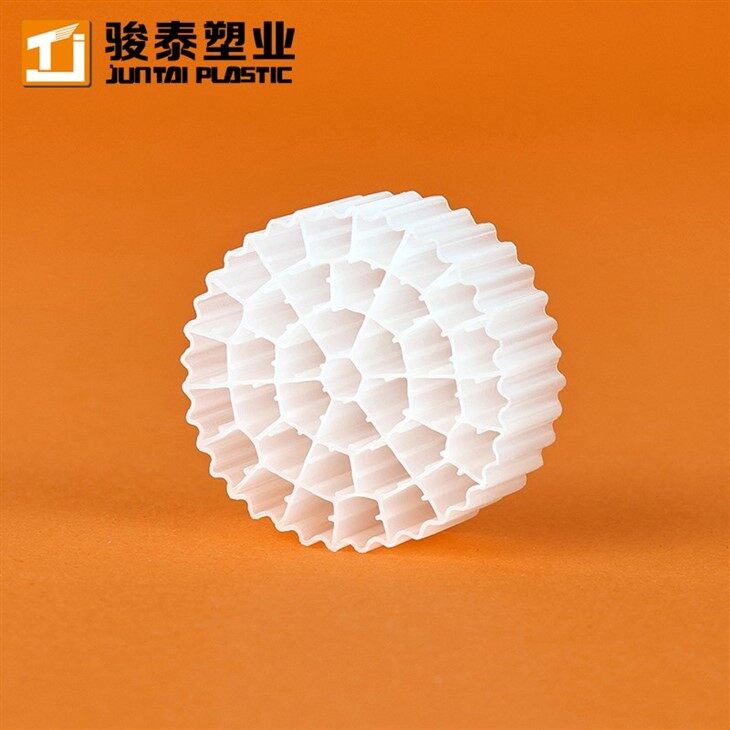
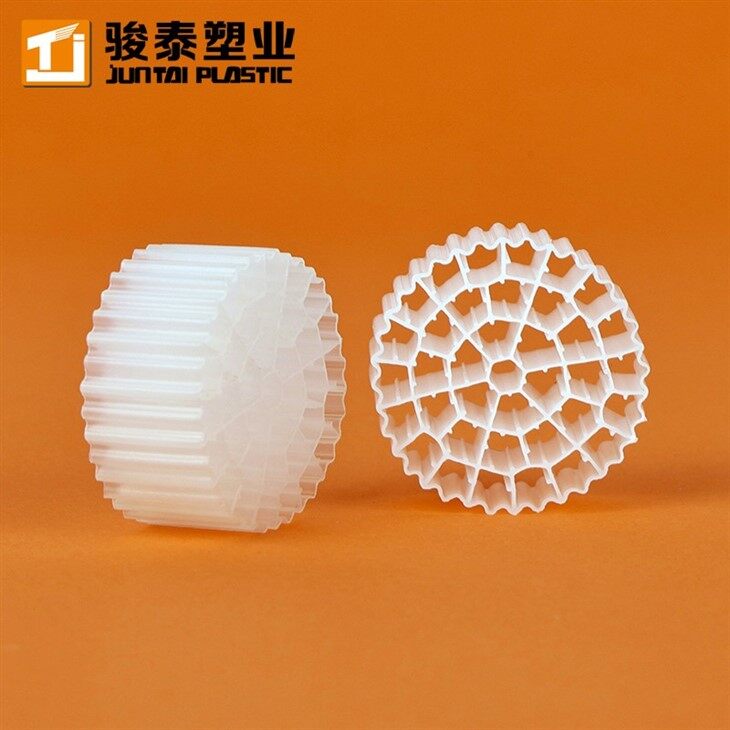
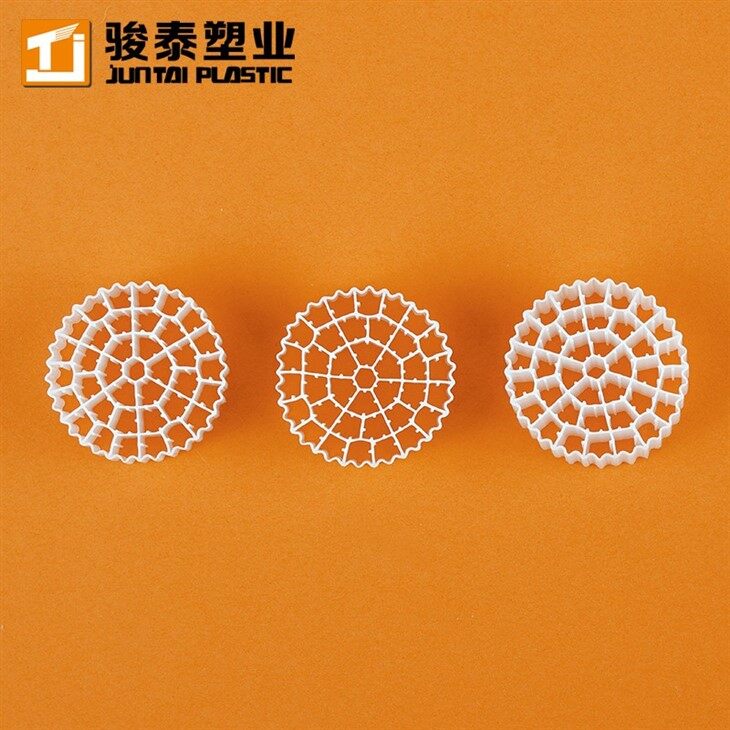
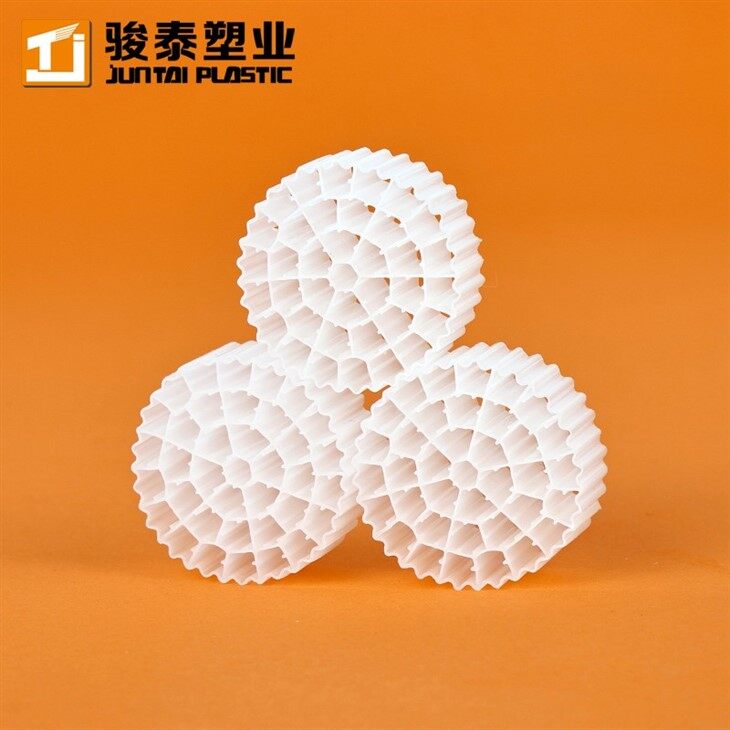
MBBR37 |
|
Size: |
Φ25*12mm |
|
Hole: |
37rooms |
|
Surface Area: |
800m2/m3 |
|
Porosity: |
85% |
|
Material: |
HDPE |
Application
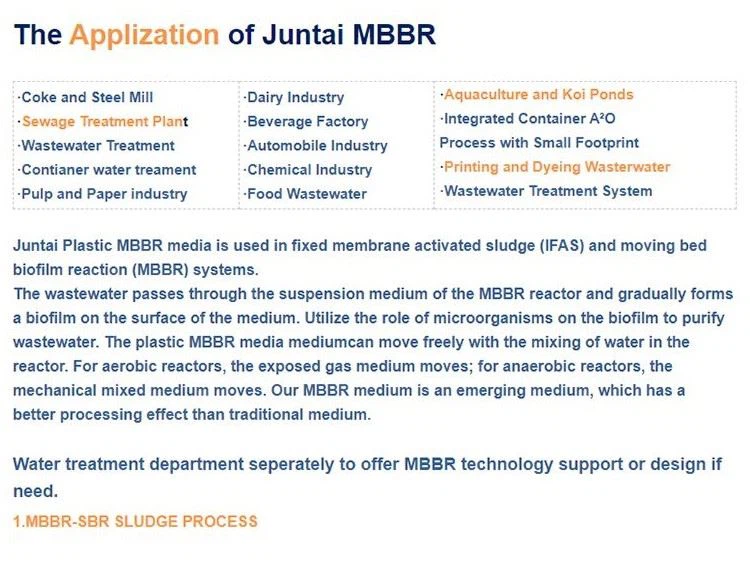
- Municipal Wastewater Treatment
- Industrial Wastewater Treatment
- Aquaculture Wastewater Treatment
- Pharmaceutical Wastewater Treatment
- Brewery Wastewater Treatment
- Petroleum and Chemical Industry Wastewater Treatment
- Food & Beverage Industry
MBBR Biofilm wastewater treatment
Biofilm method is an efficient wastewater treatment method, characterized by low sludge volume, no sludge expansion, good adaptability to changes in wastewater quality and water quantity, and simple operation and management.
Biofilm method is to make microorganisms attached to the surface of the carrier and form a biofilm, when the sewage flows through the surface of the carrier, the organic matter in the sewage and dissolved oxygen to the internal diffusion of the biofilm. The microorganisms inside the membrane carry out decomposition and anabolism of organic matter in the presence of oxygen, while the metabolic products of decomposition diffuse from the biofilm into the water phase and air, thus degrading the organic matter in the wastewater.
The difference between activated sludge and biofilm methods is not only the difference between suspended and attached microorganisms, but more importantly the diffusion process is a factor that must be taken into account in biofilm treatment systems. In the biofilm reactor, organic pollutants, dissolved oxygen and a variety of essential nutrients must first diffuse from the liquid phase to the surface of the biofilm, and then into the internal biofilm, only diffuse to the surface of the biofilm or the internal pollutants may be microbial decomposition and transformation of biofilm, and ultimately the formation of a variety of metabolites. In addition, in the biofilm reactor, as the microorganisms are immobilized on the carrier, thus realizing the separation of SRT and HRT (hydraulic retention time), so that the microorganisms with slow proliferation rate can also grow and multiply. Therefore, biofilm is a stable and diverse microbial ecosystem.
Principle of biofilm formation (membrane process)
The formation of biofilm is a dynamic process of microbial adsorption, growth and shedding.
First of all, suspended in the liquid phase of organic pollutants and microorganisms moving and attached to the carrier surface; then, the microorganisms attached to the carrier on the degradation of organic pollutants, and metabolism, growth, reproduction, and other processes, and gradually in the local area of the carrier to form a thin biofilm, which layer of biofilm biochemical activity, and can further adsorption, decomposition of organic pollutants in the wastewater until the final formation of a layer of organic pollutants in the carrier completely wrapped in the mature biofilm, which can be further adsorbed and decomposed until finally formed. This layer of biofilm has biochemical activity and can further adsorb and decompose organic pollutants in wastewater, until finally a layer of mature biofilm is formed to completely wrap the carrier.
According to the research of Characklis, Liu et al, the formation of microbial film usually undergoes four stages: carrier surface improvement, reversible attachment, irreversible attachment and biofilm formation, which are described as follows:
The microbial film hanging on the carrier can be divided into two stages: microbial adsorption and solid growth. After the carrier is added to the water body, it first enters the adsorption phase. Some of the microorganisms and filamentous material has been attached to the surface of the carrier, attached to the location of more material is often the carrier of the concave, not easy to be sheared by the water flow. At this time, the microorganisms in the suspension grow in large numbers, and a more obvious sludge layer appears.
After irreversible attachment, microorganisms on the carrier surface to obtain a more stable growth environment, in the case of sufficient oxygen supply and substrate, adsorbed in the sludge on the carrier microorganisms soon began to grow.
With the growth of culture and domestication time, the biofilm growing on the surface of the carrier also grows rapidly, gradually covering the whole surface of the carrier and starting to thicken. However, the growth of biofilm was not uniform, in the more prominent place of the carrier, the biofilm was relatively thin, while the concave place would grow quite flourishing colonies, so it can be seen that hydraulic shear has an important influence on the growth of biofilm. The microorganisms attached and growing on the surface of the carrier are also very diverse, in addition to the tired branching bugs and bell bugs, filamentous bacteria, cocci, bacilli, etc., can also be observed, as well as some swimming bacteria in the activity. As more and more biofilms are attached to the carriers, the apparent density of the carriers gradually decreases, becoming lighter and easier to fluidize, while the rate of carrier descent slows down in the descent zone.
Product Advantage:
Minimum Area required
Less manual intervention
Nominal price
Easy to handle and Easy to stabilize
Minimum sludge production
Lower sludge production
High efficiency and performance
Bod and Cod reduced to greater extend