


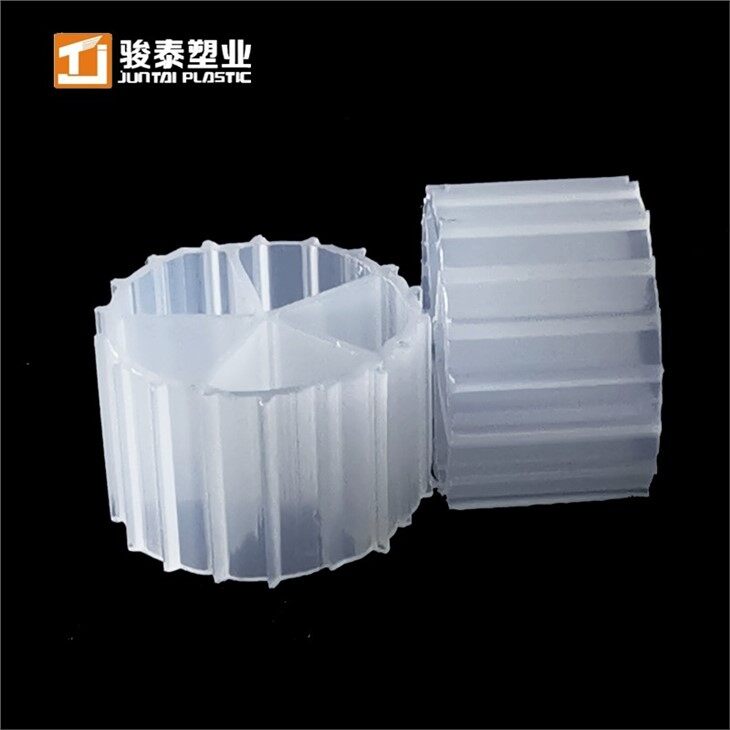
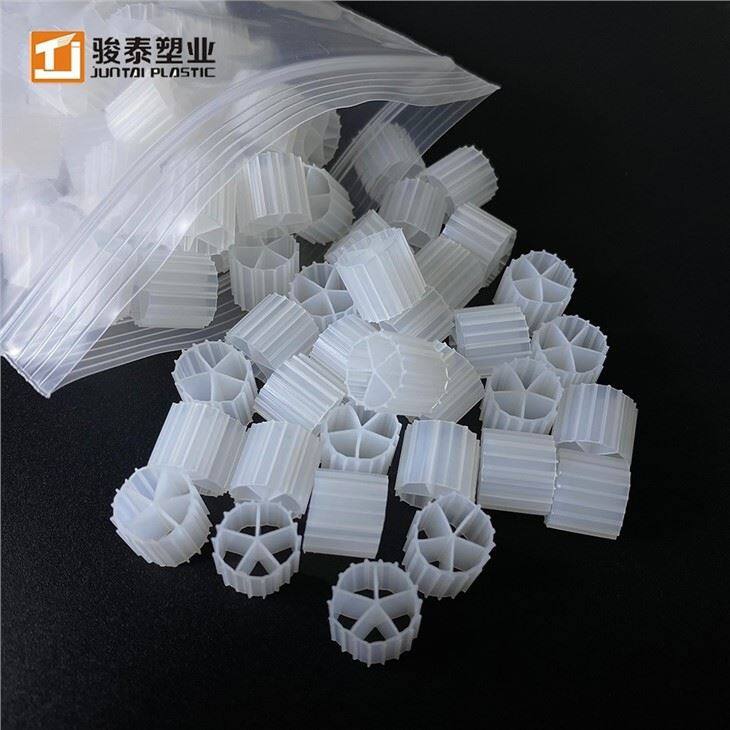
Water and sewerage is often a burden for most homeowners and heads of various agencies.
For this reason, most of them are willing to invest a lot in the sewage treatment process to help solve the problem.
Unfortunately, there are so many water treatment processes on the market today that choosing the best method worth investing in can be a daunting task. In fact, most people fall into the many traps set by good marketing and advertising, and end up spending a fortune.
Fortunately, there are MBBR water treatment processes available for water treatment projects.
How Does MBBR Work?
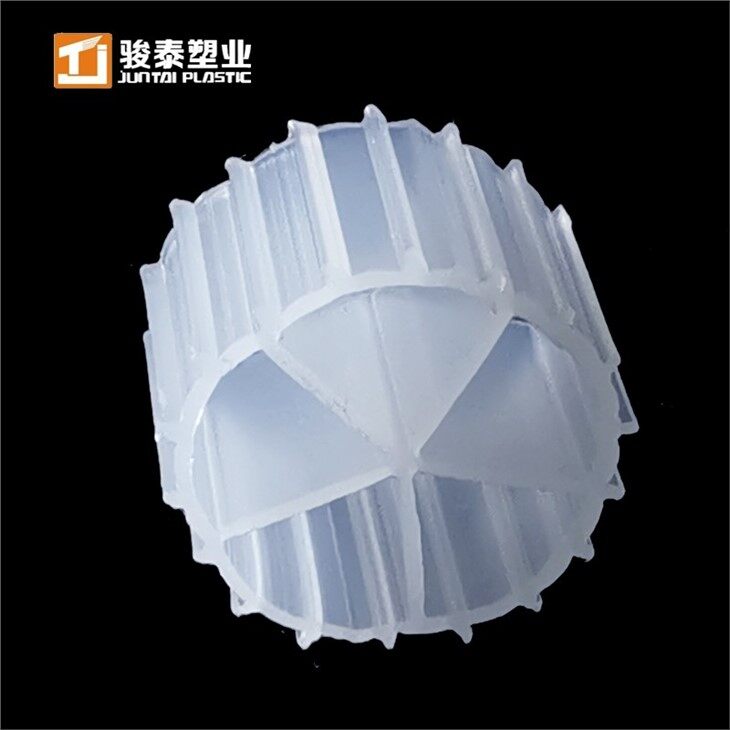
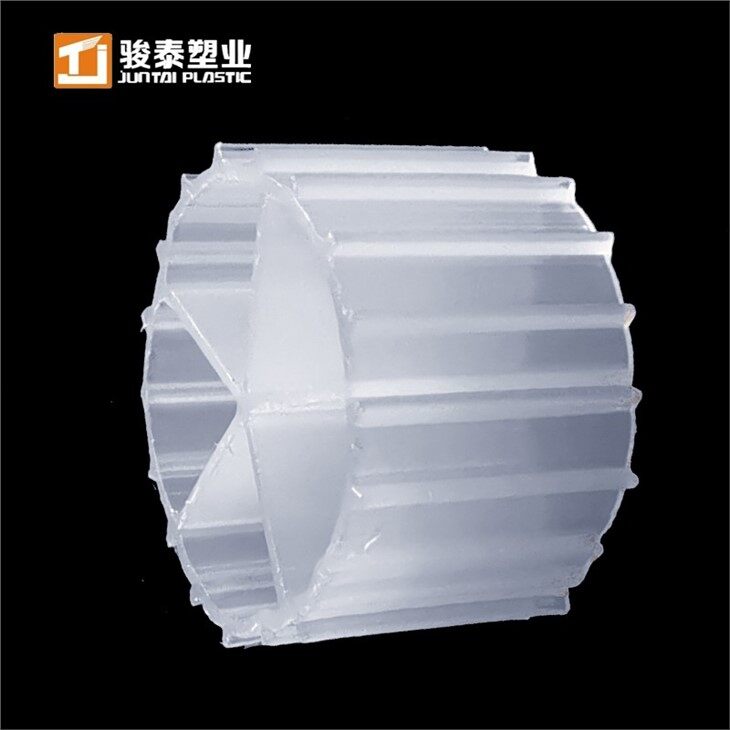
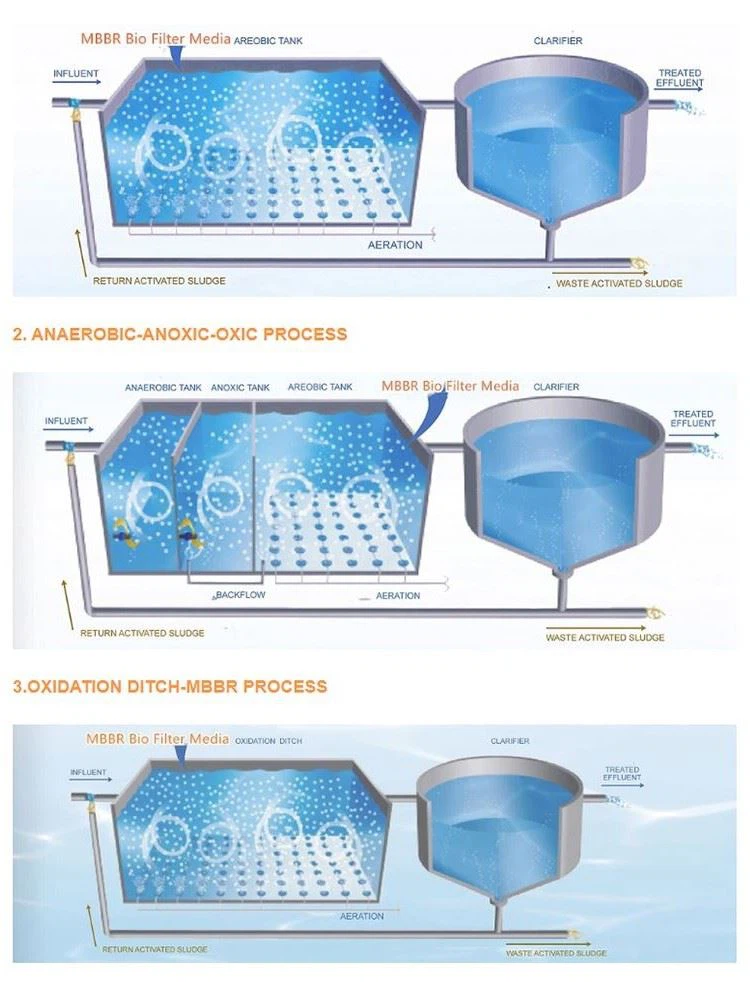
The MBBR process relies on suspended plastic carriers (often called MBBR carriers) that provide a surface for microbial biofilm growth. These carriers, with densities close to water, move freely within MBBR tanks through aeration or mechanical mixing. Key principles include:
- Biofilm Formation: Microorganisms attach to the carriers, forming a dense biofilm that degrades organic pollutants, ammonia, and nitrogen.
- Three-Phase Environment: The system creates gas (oxygen), liquid (wastewater), and solid (biofilm) interactions, enhancing oxygen transfer efficiency and microbial activity.
- Simultaneous Nitrification and Denitrification: The biofilm's stratified structure allows aerobic bacteria on the outer layer and anaerobic microbes inside, enabling simultaneous removal of organic matter and nitrogen.
Key Components of an MBBR System
A typical MBBR system for wastewater treatment includes:
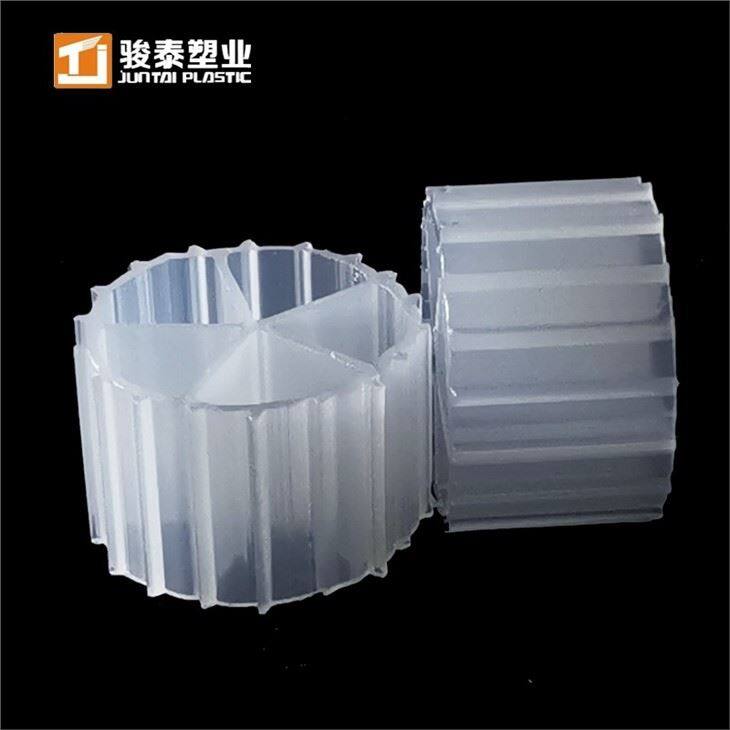
MBBR Carriers: High-surface-area polyethylene or polypropylene media (e.g., biochip MBBR) that host biofilm growth.
Aeration System: Ensures carrier fluidization and oxygen supply. Some designs use anaerobic MBBR zones with mechanical mixing instead of aeration.
Screening and Filtration: MBBR filters or intercepting grids prevent carrier loss while allowing treated water to exit.
MBBR Wastewater Treatment Process Flow
The MBBR wastewater treatment process typically follows these stages:
Pretreatment: Removal of large solids via screens or grit chambers.
MBBR Reactor: Wastewater enters MBBR tanks filled with carriers. Aeration promotes biofilm activity, degrading pollutants like COD, BOD, and ammonia.
Clarification or Filtration: Post-MBBR, a settling tank or membrane bioreactor (MBR) separates treated water from residual sludge.
Disinfection: Final steps may include UV or chlorination to ensure compliance with standards.
Applications of MBBR Technology
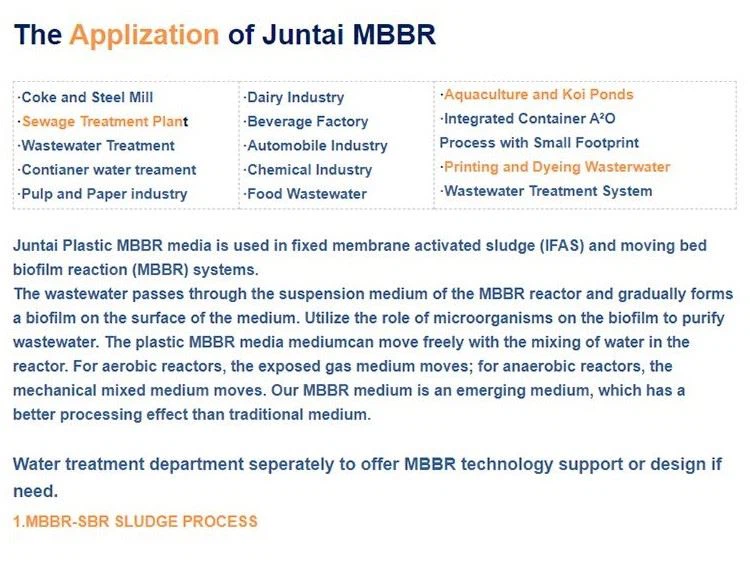
Municipal Wastewater: Ideal for STP (sewage treatment plant) upgrades due to compact design and high efficiency in nutrient removal.
Industrial Effluents: Handles high-strength wastewater from food processing, pharmaceuticals, and landfills (e.g., anaerobic MBBR for leachate treatment).
Decentralized Systems: MBBR water treatment units suit rural areas or small communities with modular, low-maintenance designs.
Advantages of MBBR Systems
High Efficiency: Achieves >90% COD removal and robust nitrogen elimination, even at low temperatures.
Compact Footprint: Requires 20–30% less space than conventional activated sludge systems.
Resilience: Tolerates load fluctuations and toxic shocks without sludge bulking.
Low Maintenance: No need for carrier replacement or frequent backwashing.


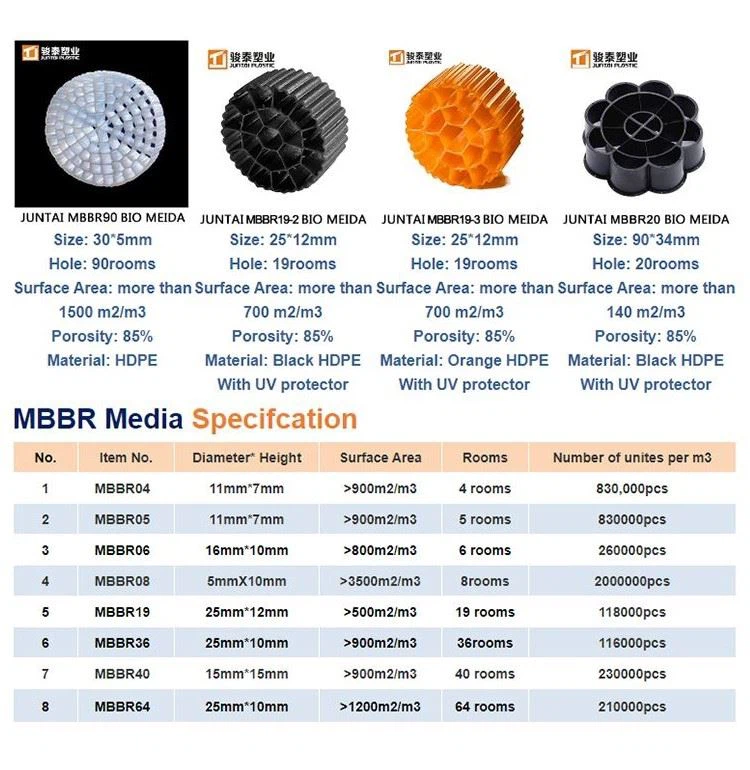


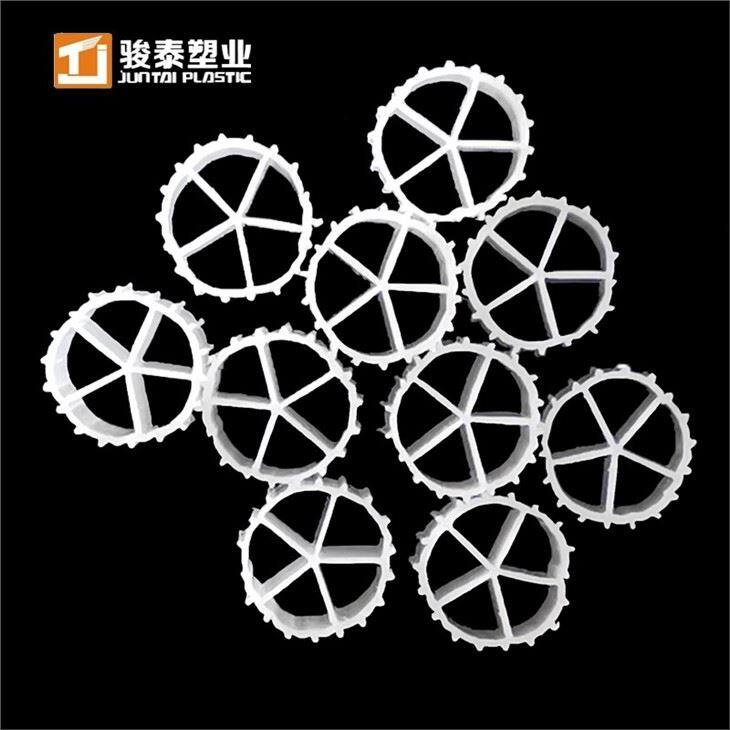
Type:MBBR05
Size:Φ11*7mm
Hole Numbers:05
Material: 100% White Virgin HDPE
Weight:130KG/CBM
Densilty:0.96-0.98g/cm3
Surface Area:>1000m2/m3


