


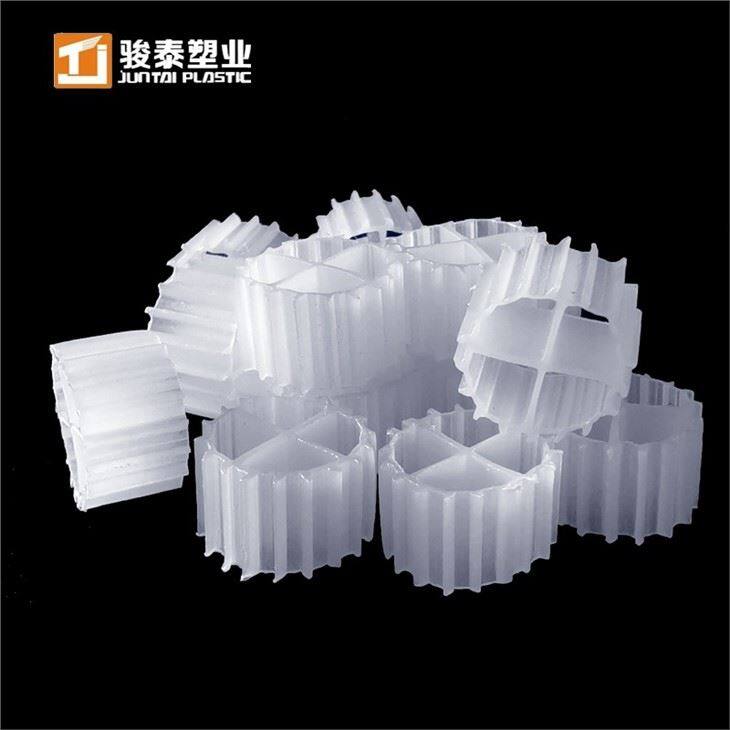
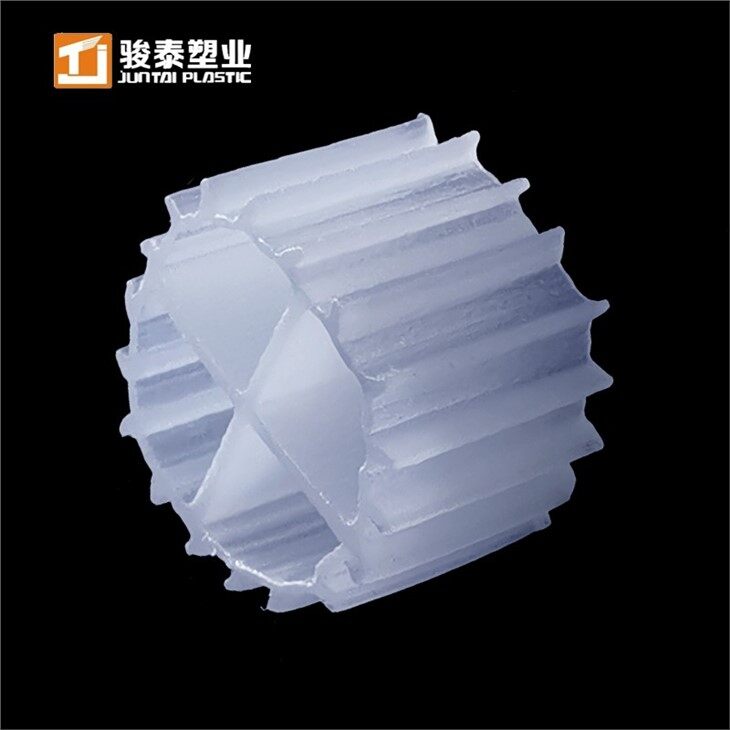
MBBR Technology: The Future of Decentralized Wastewater Treatment
As industries and municipalities face tightening environmental regulations, MBBR systems emerge as the go-to solution for decentralized wastewater treatment. Unlike centralized plants requiring extensive infrastructure, the modular moving bed biofilm reactor process enables localized treatment with remarkable efficiency – particularly vital for remote mining operations, coastal resorts, and rapidly urbanizing areas.
Technical Breakthroughs Driving Adoption:
1. Smart Carrier Design
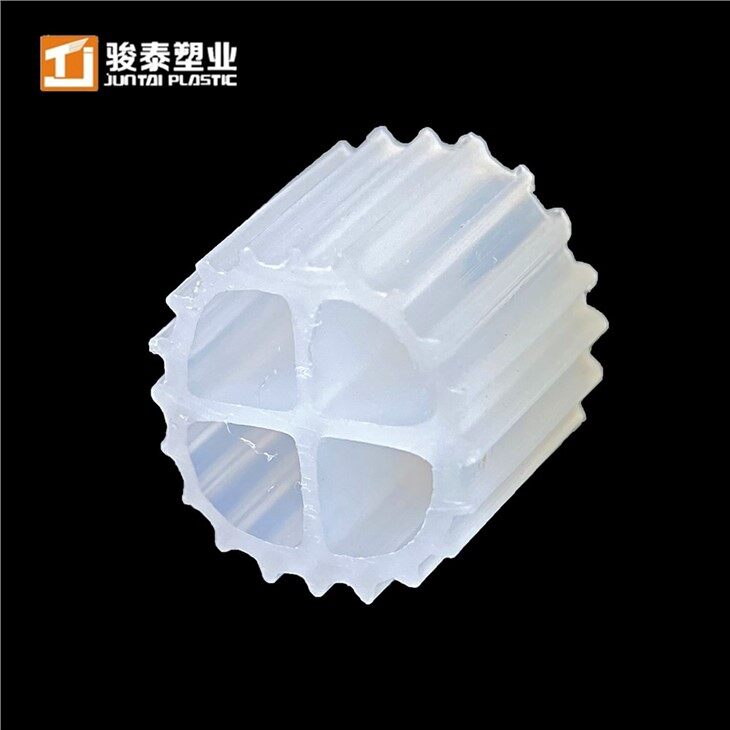
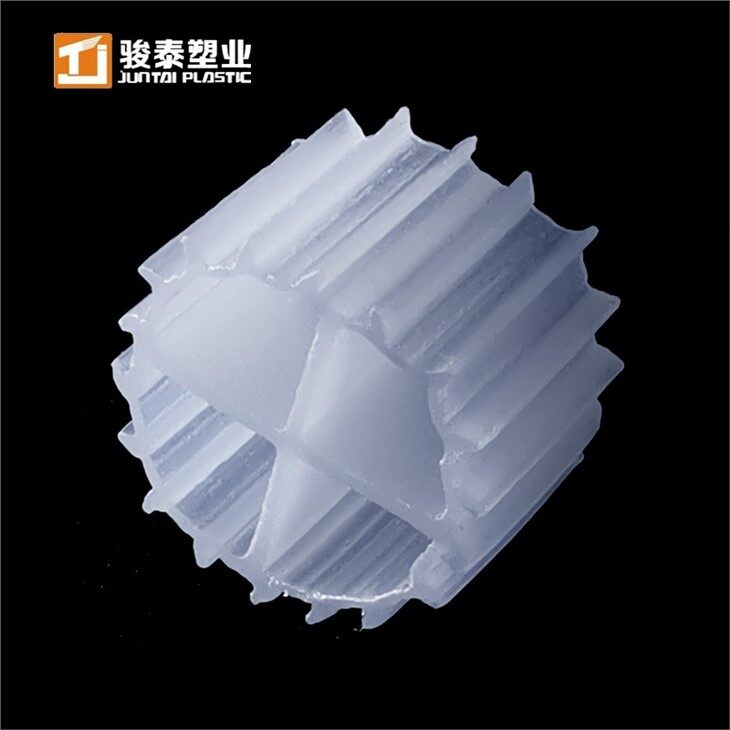
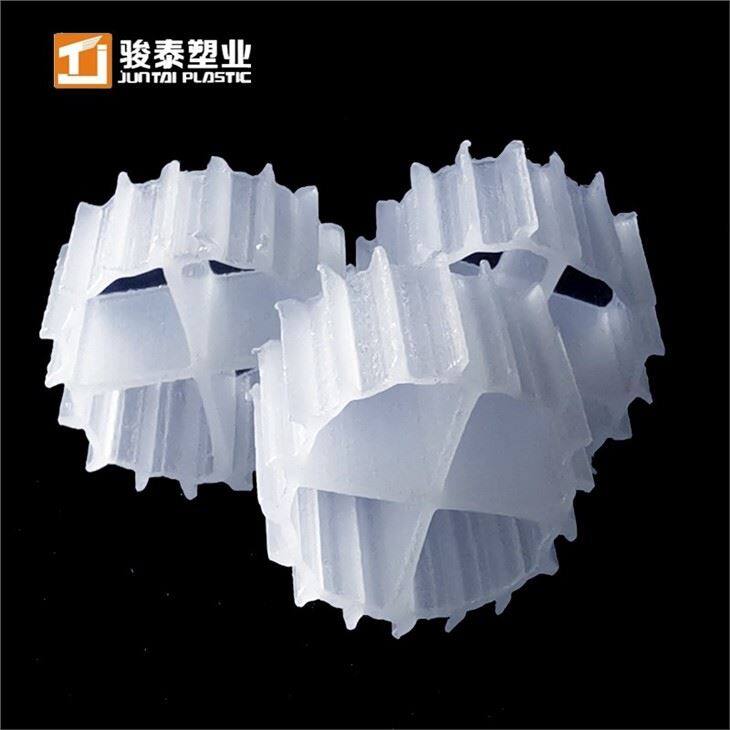
- Biochip MBBR carriers with 3D lattice structures (1,200 m²/m³ surface area)
- Hydrophilic coatings accelerate biofilm formation by 40% vs. standard mbbr carrier media
2. Energy-Neutral Operation
- Integrates with solar-powered aeration for anaerobic MBBR in off-grid applications
- Achieves 0.8 kWh/m³ energy consumption – 60% lower than activated sludge systems
3. AI-Driven Process Control
- Real-time biofilm thickness monitoring via optical sensors
- Automated DO adjustment optimizes nitrification/denitrification in hybrid mbbr bioreactor setups
Case Study: Textile Industry Effluent Treatment
- Challenge: Recurrent dye toxicity (150-200 mg/L AOX), pH fluctuations (4-11)
- MBBR Implementation:
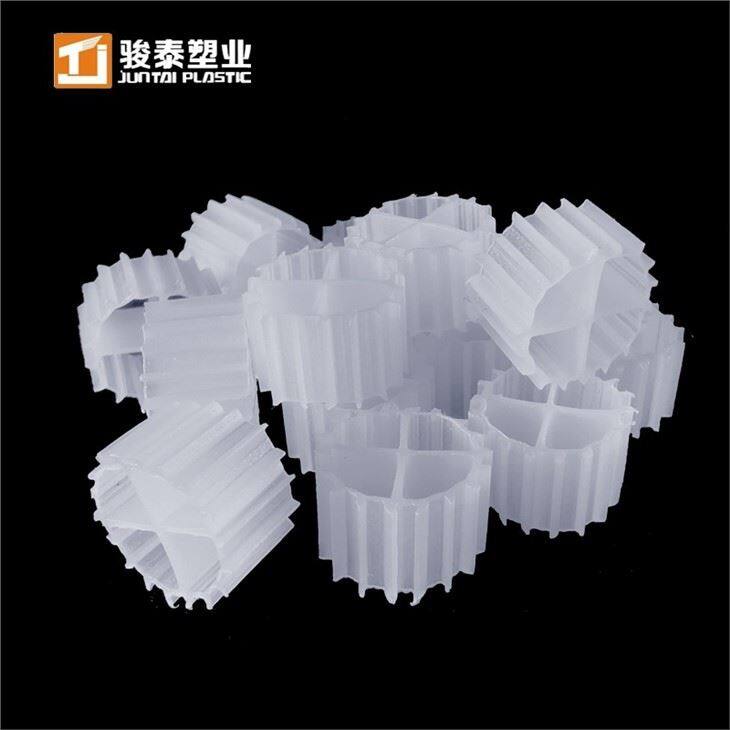
Acid-resistant mbbr biofilm carriers (PP+GF composite)
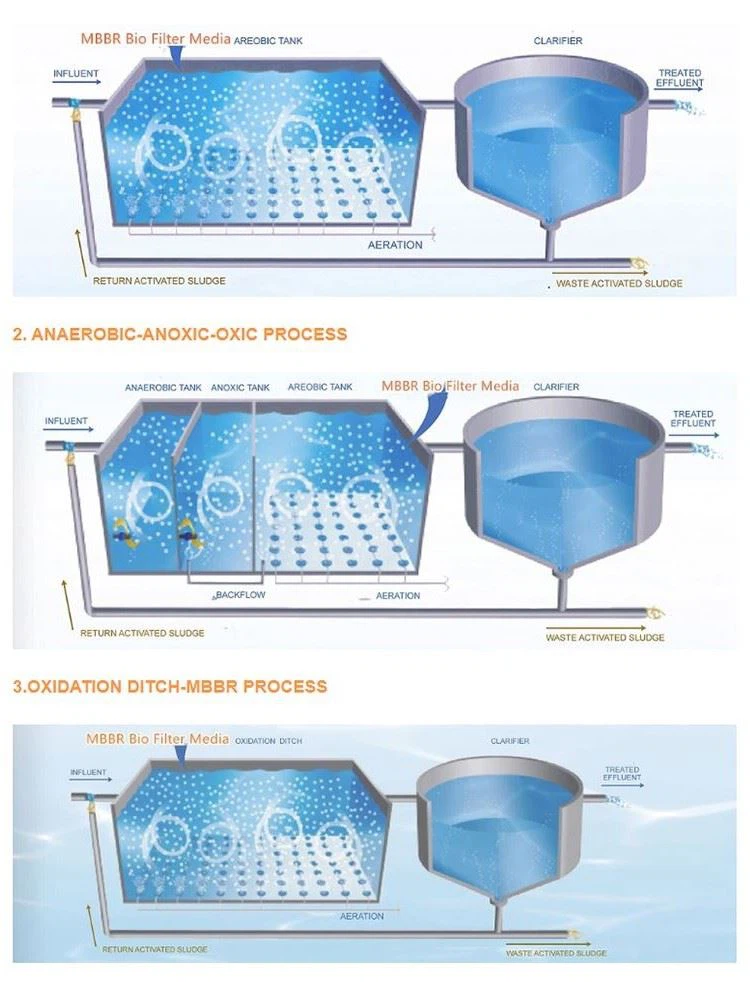
Three-stage mbbr system for wastewater treatment:
1. Equalization → 2. Bioaugmented MBBR → 3. Ozonation polishing
Results:
✓ 98% color removal (ADMI <50)
✓ 80% reduction in chemical sludge production
✓ Compliance with Zero Liquid Discharge (ZLD) mandates




| E-mail: [email protected] |
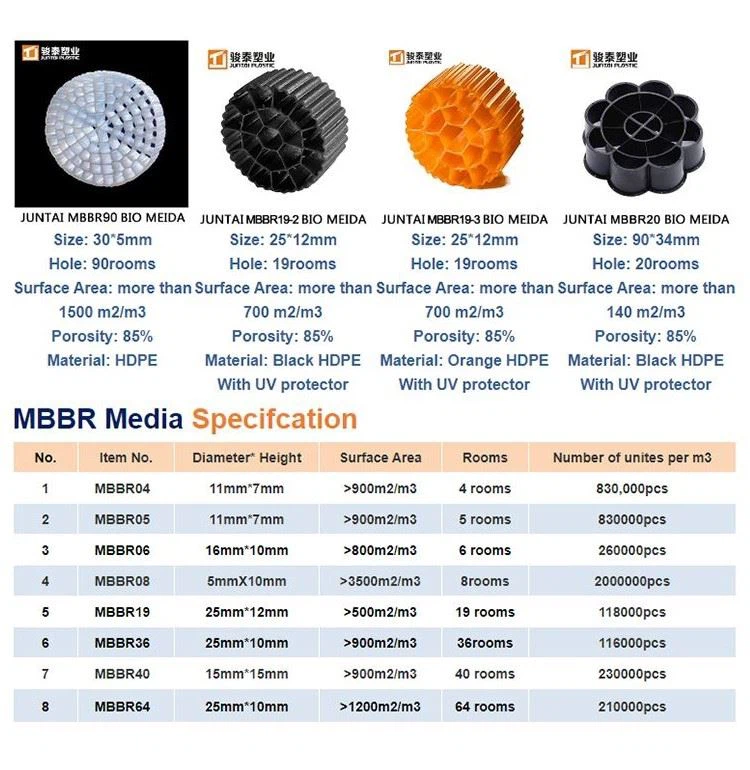
MBBR 04 Product Description:
Size:Φ11*7mm
Hole Numbers:4
Material: 100% White Virgin HDPE
Membrane-Forming Time:3-15days
Nitrification Efficiency :400-1200gNH4 N/M3.d
BOD5 Efficiency:2000-10000g BOD5/M3.d
COD5 Efficiency:2000-15000 gCOD5/M3.d
Applicable Temperature:5-60℃
Life-Span:>15year


