


The Science Behind MBBR: Revolutionizing Water Treatment in Modern Aquaculture
In the world of modern indoor aquaculture, maintaining pristine water quality is an absolute necessity. The Moving Bed Biofilm Reactor (MBBR) system is a groundbreaking biofilm reactor technology that is transforming water management. This article delves into the intricate workings of the MBBR process.
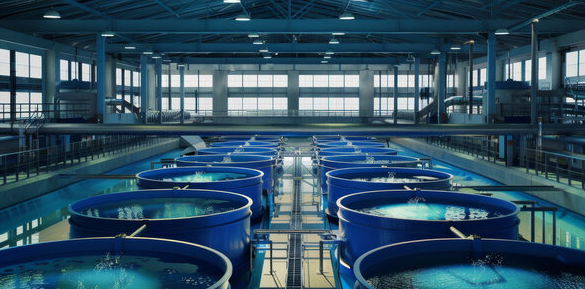
Core Principle: A Mobile Ecosystem
An MBBR system for wastewater treatment uses specially engineered plastic biofilm carriers or MBBR filter media. These small, porous pieces are added to MBBR tanks. Their density is close to that of water, allowing them to be kept in constant motion by aeration.
As nutrient-rich water circulates through the MBBR bioreactor, microorganisms colonize the vast surface area of these moving carriers. A robust biofilm forms-a dense layer of bacteria. This biofilm acts as a living purification engine. The constant motion of the MBBR carrier media ensures maximum treatment efficiency.
Key Components of an MBBR System
An efficient MBBR in water treatment is a finely tuned ecosystem:
- The Bioreactor Tank: The primary vessel where treatment occurs.
- The Biofilm Carriers: The heart of the system. Their geometry and surface area are critical.
- Aeration System: Provides essential oxygen and keeps carriers moving.
- Retention Sieve: Prevents media washout.
Comparison of Common MBBR Carrier Types
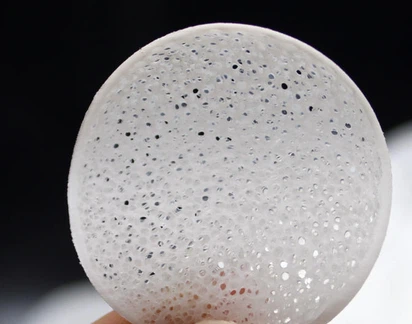
Carrier Type: Porous Chip (Bio-chip MBBR)
Material: Polyethylene (PE)
Key Benefit: Protects slow-growing nitrifying bacteria for stable ammonia removal.
Carrier Type: Ring/Cylinder
Material: Polypropylene (PP)
Key Benefit: Excellent for ammonia and organic matter reduction.

Carrier Type: Foamed Carrier
Material: Modified Polypropylene
Key Benefit: Maximizes biofilm density for high-stock systems.
The Biological Process
The moving bed biological reactor process excels in two key areas:
- Ammonia Oxidation: In the oxygen-rich MBBR, bacteria in the biofilm convert toxic ammonia into nitrite, then into harmless nitrate.
- Self-Cleaning Biofilm: The natural turbulence causes old biofilm to slough off, maintaining an active layer without manual cleaning. The shed biomass is then removed by a downstream filter.
Why MBBR is Ideal for Indoor Aquaculture
The moving bed biofilm reactor process offers key advantages:
- Space Efficiency: Achieves high treatment capacity in a compact footprint.
- Operational Stability: Highly resistant to fluctuations in water quality.
- Low Maintenance: Simple to operate once established.
For aquaculture operations, investing in advanced MBBR technology is an investment in control and consistent production. JUNTAI provides high-efficiency MBBR filter solutions to help your business thrive.