


I. Definition and Characteristics of Biological Foam
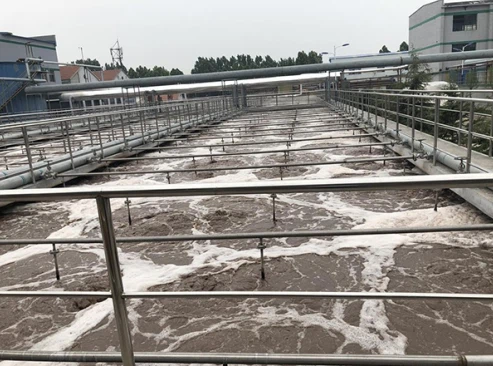
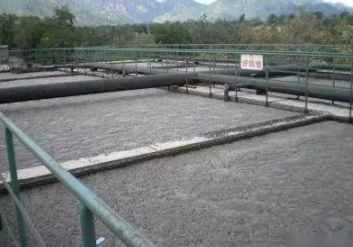
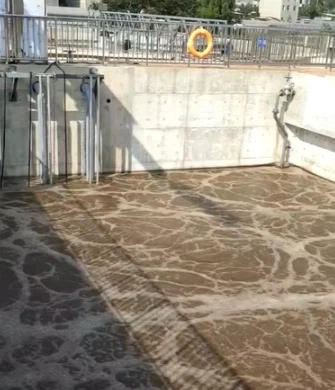
Biological foam is a common phenomenon in activated sludge wastewater treatment systems, characterized by the accumulation of a large amount of stable, viscous foam on the surface of the aeration tank. This foam is typically brown or white in color and exhibits high stability, making it resistant to conventional hydraulic impact or spray removal methods. Unlike chemical foam, biological foam is produced by microbial metabolic activity, and its formation and persistence are closely related to the growth and reproduction of specific microbial populations.
II. Main Causes of Biological Foam
(1) Microbial Factors
Excessive Growth of Filamentous Bacteria: Overgrowth of filamentous microorganisms such as Nocardia and Microthrix parvicella is the primary cause of biological foam. These microorganisms have hydrophobic cell surfaces that can adsorb air bubbles and form stable foam structures.
Proliferation of Actinomycetes: Certain actinomycetes, such as Gordonia and Tsukamurella, can also cause foam problems, especially in systems with low F/M ratios and long sludge retention times (SRT).
Other Foam-Forming Bacteria: This includes some non-filamentous hydrophobic bacteria, such as Rhodococcus and Corynebacterium.
(2) Operational Factors
Excessive Sludge Retention Time (SRT): Prolonged SRT favors the growth of slow-growing filamentous bacteria and actinomycetes, increasing the risk of foam formation.
Low Organic Loading (Low F/M Ratio): When the organic load is below 0.1 kg BOD/kg MLSS·d, filamentous bacteria gain a competitive advantage.
Insufficient Dissolved Oxygen (DO): Localized hypoxia promotes the growth of certain filamentous bacteria, particularly at high sludge concentrations.
Temperature Fluctuations: Foam problems are particularly prominent during spring and autumn when temperatures fluctuate drastically. The optimal growth temperature for many foam-forming bacteria is between 15–25°C.

(3) Influent Water Quality Factors
Oils and Lipids: High concentrations of oils, fatty acids, or surfactants in the influent can stimulate the growth of hydrophobic microorganisms.
Industrial Wastewater Components: Certain organic compounds in industrial wastewater may serve as selective substrates for foam-forming bacteria.
Nutrient Imbalance: An imbalance in nutrients such as nitrogen (N) and phosphorus (P) can affect microbial community structure.
III. Hazards of Biological Foam
Reduced Treatment Efficiency: Foam coverage on the surface reduces oxygen transfer efficiency, negatively impacting treatment performance.
Equipment Damage: Overflowing foam can damage aeration equipment and motors.
Environmental and Sanitation Issues: Foam may carry pathogens, leading to secondary pollution and foul odors.
Increased Operational Costs: Additional manpower and resources are required for foam control.
IV. Control Measures for Biological Foam
(1) Process Adjustment Measures
Adjust Sludge Retention Time (SRT): Appropriately reducing SRT (e.g., to 8–10 days) can effectively inhibit slow-growing foam-forming bacteria.
Control F/M Ratio: Maintain an appropriate food-to-microorganism (F/M) ratio (0.2–0.5 kg BOD/kg MLSS·d) to avoid prolonged low-load operation.
Optimize Aeration System: Ensure sufficient dissolved oxygen (DO > 2 mg/L) to prevent localized hypoxia.
Increase Sludge Return Ratio: A higher return ratio reduces sludge retention time, suppressing filamentous bacteria growth.
Staged Influent Distribution: Adopt a multi-point influent distribution method to balance loads across different zones.
(2) Physical and Chemical Measures
Spray Defoaming: Using treated effluent or tap water to spray and break foam is simple but has limited effectiveness.
Addition of Defoaming Agents: Short-term use of silicone-based or alcohol-based defoamers can be applied, but long-term use may affect treatment efficiency.
Addition of Coagulants: Appropriate dosing of PAC (polyaluminum chloride) or ferric salts can improve sludge settleability and suppress foam.
Selective Disinfection: Controlled dosing of hydrogen peroxide, ozone, or chlorine (10–20 mg/g SS) can selectively kill filamentous bacteria, but dosage must be carefully monitored.
(3) Biological Control Measures
Competitive Microbial Inhibition: Introduce specific bacterial agents (e.g., fast-growing strains) to competitively inhibit foam-forming bacteria.
QPCR Monitoring: Use molecular biology techniques to monitor foam-forming bacteria populations for early warning.
Biological Predation: Introduce certain protozoa or metazoa to prey on filamentous bacteria.
(4) Design Improvement Measures
Install Foam Baffles: Set up baffles on the aeration tank surface to prevent foam spread.
Optimize Tank Design: Use completely mixed reactors instead of plug-flow systems to reduce localized load imbalances.
Add Foam Collection and Treatment Systems: Design specialized foam collection and disposal devices.
V. Comprehensive Control Strategy Recommendations
Prevention First: Focus on daily monitoring and process optimization to prevent foam formation rather than post-event treatment.
Multi-Measure Coordination: Combine physical, chemical, and biological control methods based on actual conditions.
Source Control: Strengthen influent monitoring to limit the entry of oils and surfactants into the system.
Establish Emergency Plans: Develop specific response strategies for seasonal foam issues.
VI. Conclusion
Biological foam in aeration tanks results from multiple interacting factors, requiring comprehensive analysis from microbiological, operational, and design perspectives. Effective foam control should adopt a prevention-first, integrated management strategy, combining process adjustments, physicochemical methods, and biological controls to establish a stable long-term operational framework. Additionally, with advances in molecular biology, precision control based on microbial community analysis will become a key direction in future foam management.