


MBBR vs. Activated Sludge & Trickling Filters: Which Biological Process Wins?
For wastewater treatment plant operators and engineers evaluating biological processes, understanding how Moving Bed Biofilm Reactor (MBBR) compares to traditional methods like activated sludge (ASP) and trickling filters is critical. We break down efficiency, operational challenges, and cost-effectiveness to help you choose the best solution.
MBBR vs. Activated Sludge Process (ASP)
How ASP Works:
Wastewater enters an aerated tank where microbes break down organic matter. After aeration, sludge settles in clarifiers, and clean water is discharged.
Key Limitations of ASP:
Requires large tank volumes and precise sludge recycling control.
Struggles with fluctuating organic loads or toxic shocks.
High energy costs for aeration and sludge management.
Why MBBR Outperforms ASP:
✅ Higher Organic Loading Capacity: MBBR handles 2-3x more COD (chemical oxygen demand) than ASP due to its biofilm-coated carriers.
✅ Compact Design: No secondary clarifiers needed – saves 30-50% space.
✅ Resilience: Biofilm protects microbes from toxic spikes, ensuring stable treatment.
✅ Lower Sludge Production: Reduces sludge disposal costs by up to 40%.
MBBR vs. Trickling Filter Systems
How Trickling Filters Work:
Wastewater trickles over a media bed (e.g., gravel, plastic), where biofilm microbes degrade organics. Limited aeration occurs naturally.
Key Limitations of Trickling Filters:
Frequent clogging from excess biomass or debris.
Requires skilled operators to monitor biofilm health.
Poor cold-weather performance due to slower microbial activity.
Why MBBR Is Superior:
✅ Zero Clogging Risk: Free-moving carriers prevent media blockage.
✅ Consistent Efficiency: Maintains >90% BOD/COD removal even at low temperatures.
✅ Automation-Friendly: Minimal manual intervention vs. trickling filters' labor-intensive upkeep.
3 Reasons Plant Operators Switch to MBBR
1️⃣ Lower Operating Costs:
20-35% less energy use vs. ASP aeration.
No media replacement costs (unlike trickling filters).
2️⃣ Scalability:
Easily expand capacity by adding carriers – no infrastructure overhauls.
3️⃣ Regulatory Compliance:
Meets strict effluent standards for nitrogen/phosphorus removal with hybrid setups.

Upgrade Your Wastewater Treatment Today!
Discover how MBBR can cut your operational costs, reduce footprint, and boost treatment reliability. Contact us for a free system design consultation!
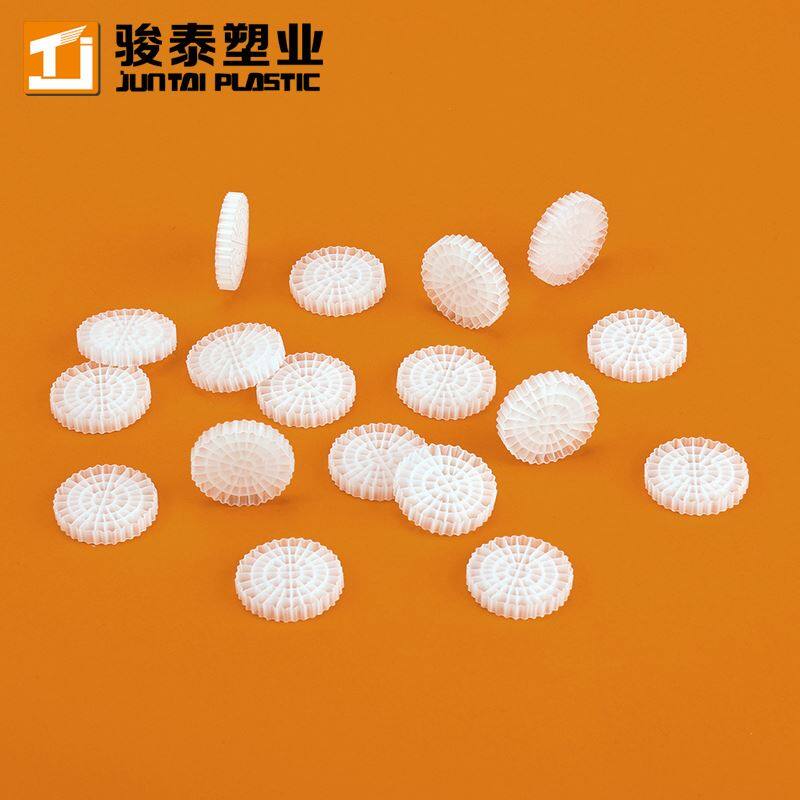
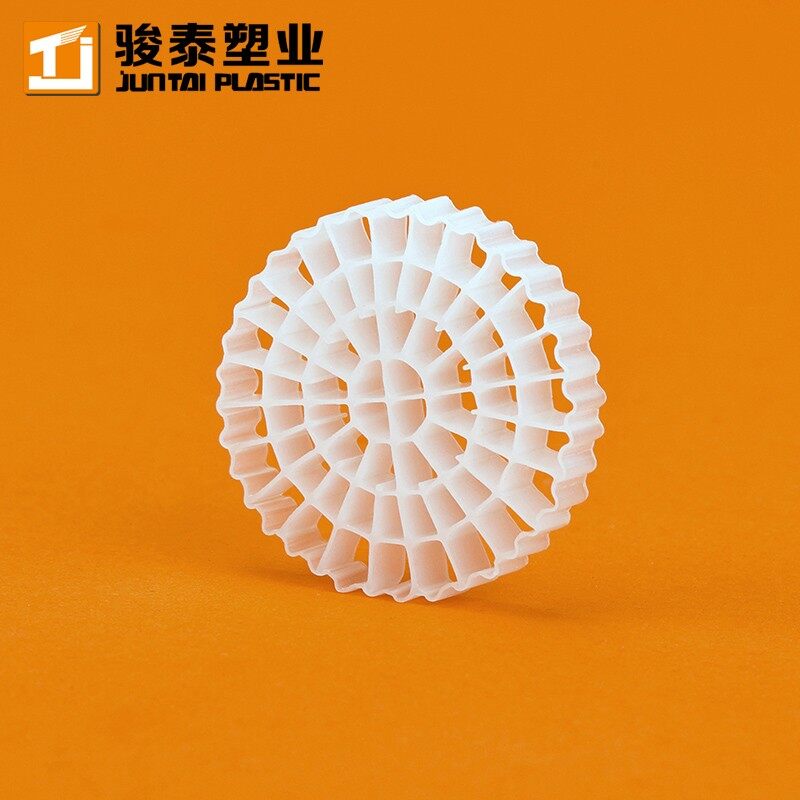
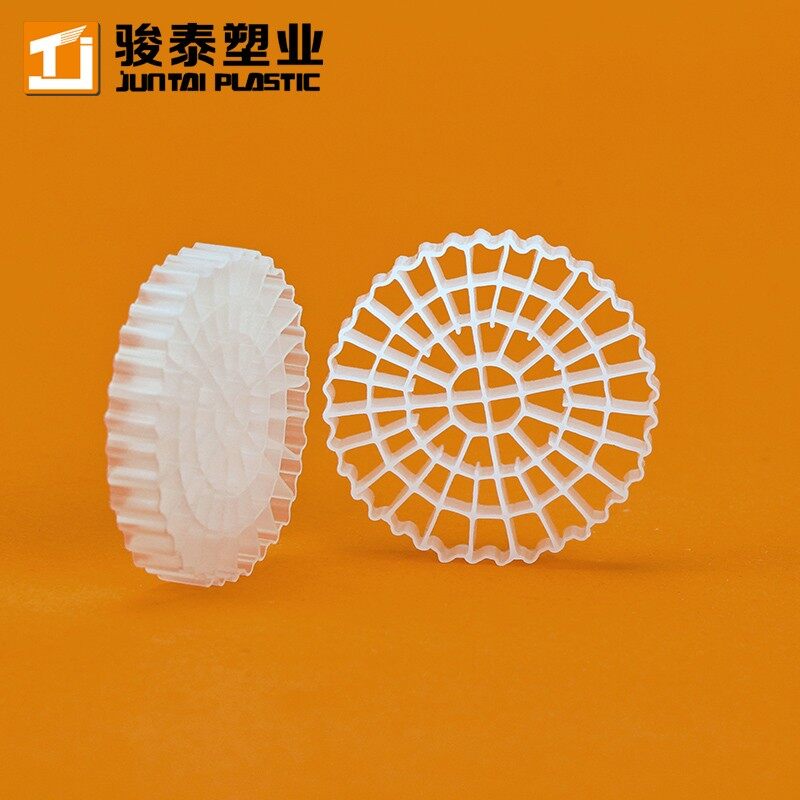
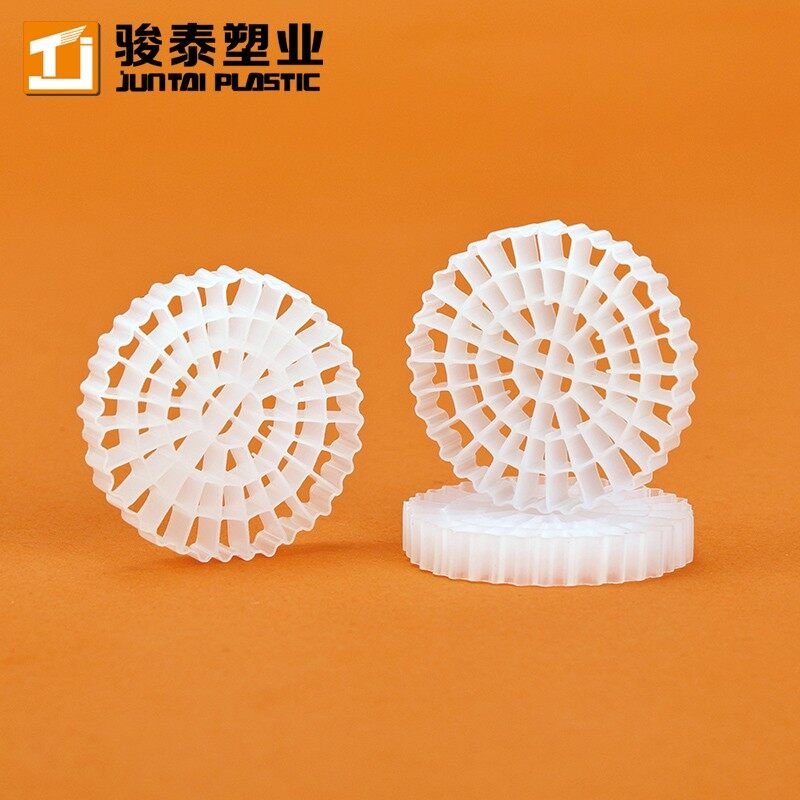
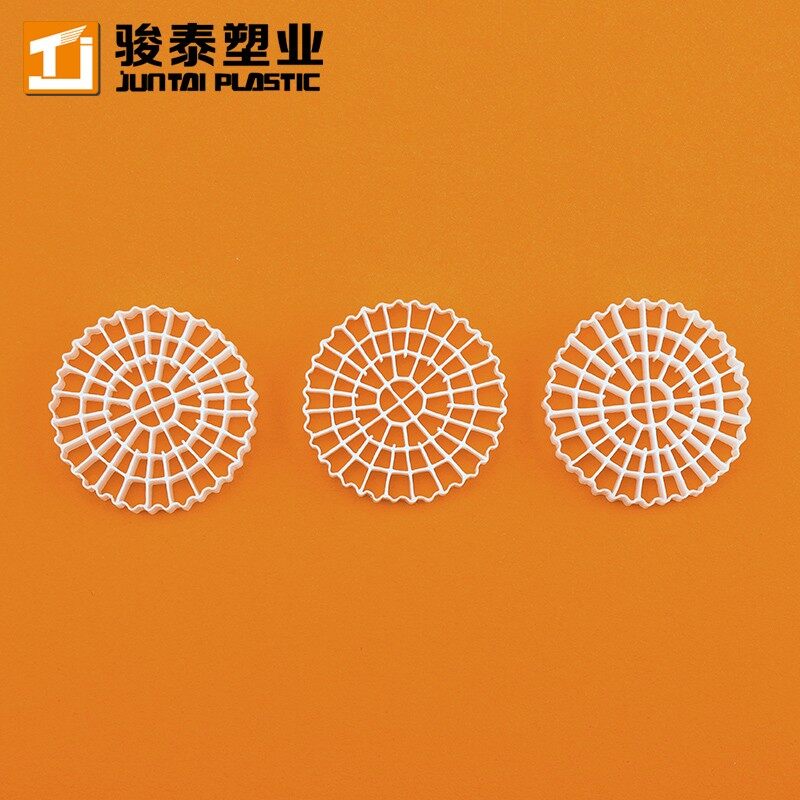
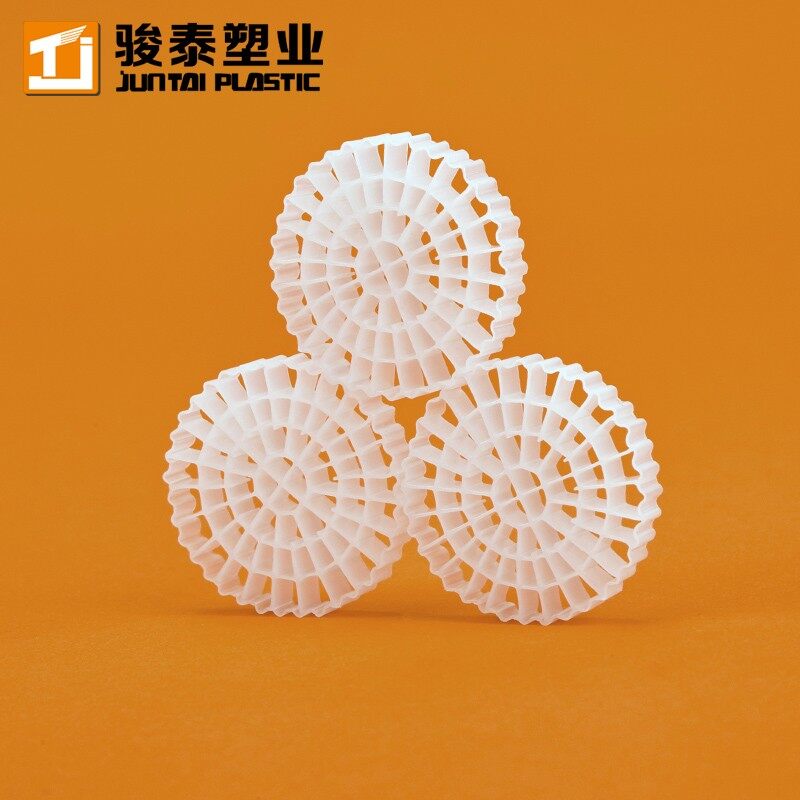
Type:MBBR64
Size:Φ25mm*4mm
Hole:64rooms
SurfaceArea:>1200m2/m3
Porosity:more than 90%
Material:100% virgin HDPE


