


Demystifying MBBR STP Costs: A Wastewater Expert's Comprehensive Breakdown
With over 15 years of experience designing and commissioning wastewater treatment plants across the globe, I've found that the question "What is the cost of an MBBR STP?" is much like asking "What is the cost of a house?" The answer is never a single number. The price tag of a Moving Bed Biofilm Reactor Sewage Treatment Plant is a complex equation factoring in capacity, effluent norms, site conditions, and technological nuances. A small-scale system for a residential complex might start around $50,000, while a large industrial plant requiring advanced treatment can easily exceed $5 million. This guide will dissect every cost component, from initial civil work to long-term operational expenditures, providing you with a transparent framework for budgeting and evaluating quotations, ensuring you invest wisely and avoid costly oversights.
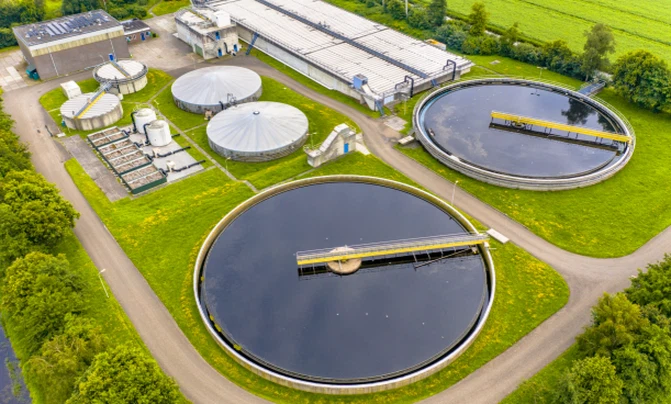
The allure of MBBR technology lies in its compact footprint and robustness, but its economic viability is determined by a lifecycle cost analysis, not just the initial capital outlay. Understanding this distinction is the first step toward making an informed decision.
I. The Capital Expenditure (CAPEX) Breakdown: More Than Just Equipment
The upfront cost of an MBBR STP is typically divided into four main categories. The比例 (proportion) of each can vary significantly based on project specifics.
1. Civil Works & Site Preparation (20-35% of CAPEX)
Often the most variable and underestimated cost, civil works are highly site-dependent.
- Excavation & Earthwork: Costs soar if bedrock is encountered or if dewatering is required for high water tables. For a 500 KLD plant, this can range from $15,000 to $50,000+.
- Tank Construction: Reinforced Cement Concrete (RCC) is the gold standard for durability. Prefabricated tanks (FRP, steel) offer faster installation but may have a shorter lifespan. The cost for RCC tanks can be estimated at $100 - $200 per cubic meter of volume.
- Other Structures: Includes housing for controls, blowers, and lab space, adding another 10-15% to the civil cost.
2. Electro-Mechanical Equipment (40-60% of CAPEX)
This is the heart of the system, where quality directly impacts long-term performance.
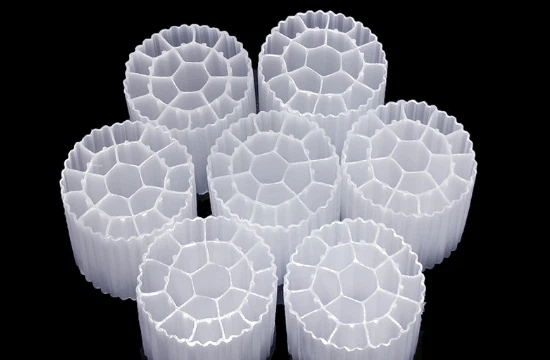
- MBBR Media: The cost of the plastic biofilm carriers is a key component. Prices range from $800 - $2,500 per cubic meter, depending on the material (HDPE, PP), protected surface area, and brand. Filling a 500 KLD reactor may require 30% media fill, meaning 150 m³ of media.
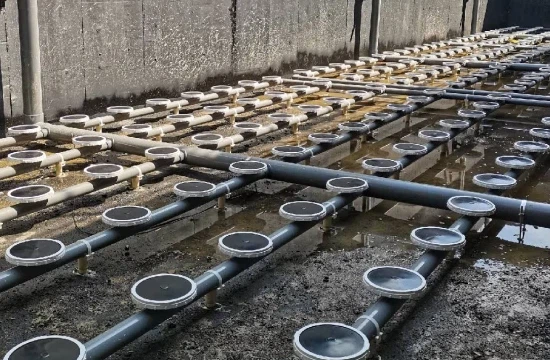
- Aeration System: Fine bubble membrane diffusers are critical for efficiency. High-quality diffusers (EPDM, silicone) and robust blowers (turbo, positive displacement) can cost $20,000 - $60,000 for a mid-sized plant.
- Screens, Pumps, & Tanks: Includes inlet screens, sludge transfer pumps, and clarified water tanks.

3. Piping, Instrumentation & Electricals (10-15% of CAPEX)
This network ensures the plant operates as an integrated system.
- Piping & Valves: Includes air distribution pipes (often SS 304/316), sludge recirculation lines, and effluent piping.
- Instrumentation: Basic Level Sensors and Pressure Gauges are standard. Advanced PLC/SCADA systems for remote monitoring add 15-25% to this category but offer significant operational savings.
- Electricals: Cabling, motor control centers (MCC), and transformers.
4. Design, Engineering & Compliance (5-10% of CAPEX)
This is the intellectual foundation of the project.
- Process Design & Detailed Engineering: Non-negotiable for ensuring the plant meets performance guarantees.
- Installation & Commissioning: Supervision by experienced engineers is crucial.
- Environmental Permits: Costs associated with obtaining discharge consent from regulatory bodies.
CAPEX Estimation Table for Different Capacities (Baseline: Standard Municipal Sewage)
| Plant Capacity (KLD) | Estimated CAPEX Range (USD) | Key Cost Drivers & Notes |
|---|---|---|
| 50 | $50,000 - $120,000 | Prefabricated packages common. Higher cost per KLD due to economies of scale. |
| 100 | $90,000 - $200,000 | A common size for apartment complexes. Often uses prefabricated tanks. |
| 500 | $350,000 - $600,000 | RCC construction becomes standard. Aeration system is a major cost component. |
| 1000 | $600,000 - $1,100,000 | Better economies of scale. Requires detailed engineering and robust controls. |
| 5000+ | $2.5M - $5.5M+ | Major civil works. Custom engineering. Multiple treatment trains for redundancy. |
*Note: These are approximate ranges. Industrial streams with high strength or toxic components can increase costs by 50-100%.*
II. The Operational Expenditure (OPEX): The True Cost of Ownership
OPEX is where MBBR technology often shines compared to other biological processes like Activated Sludge (ASP). A well-designed MBBR typically has lower energy and sludge handling costs.
1. Energy Consumption (40-60% of OPEX)
The aeration blowers are the largest energy consumers.
- Calculation: Energy usage is measured as kWh/kg BOD removed or kWh/m³ treated. An efficient MBBR plant can consume 0.5 - 0.9 kWh/m³ of treated wastewater.
- Example: A 500 KLD plant operating at 0.7 kWh/m³ with an electricity cost of $0.12/kWh has a daily energy cost of ~$42, or ~$15,330 annually.
2. Manpower & Maintenance (20-30% of OPEX)
MBBR systems are largely automated but require skilled oversight.
- Manpower: A small plant may need only a part-time operator. A large plant requires a full-time chemist/operator. Annual cost: $5,000 - $30,000.
- Maintenance: Includes routine cleaning of screens, diffusers, and mechanical parts. Annual cost: 2-3% of the total equipment cost.
3. Chemicals & Consumables (10-20% of OPEX)
- Coagulants & Flocculants: Used in downstream clarification (e.g., Polyaluminium Chloride). Dosing depends on raw sewage quality.
- Membrane Cleaning Chemicals: If a tertiary MF/RO system is included for reuse, chemical cleaning is a major OPEX factor.
- Laboratory Reagents: For daily monitoring of parameters like pH, COD, and DO.
4. Sludge Management (10-20% of OPEX)
A significant advantage of MBBR is its low sludge production-typically 0.6 - 0.9 kg TSS per kg BOD removed, which is 30-40% less than ASP. This drastically reduces sludge dewatering, hauling, and disposal costs.
III. The Hidden & Contingency Costs: Planning for the Unexpected
A prudent budget always includes contingencies for unforeseen expenses.
- Design & Performance Guarantees: Reputable suppliers include a 1-2 year performance guarantee, often valued at 5-8% of the project cost, ensuring they are accountable for the plant's operation.
- Price Escalation Clause: In volatile markets, a clause in the contract protects against sudden increases in material costs (e.g., steel, plastics).
- Spare Parts Inventory: A initial spare parts kit (gaskets, diffuser membranes, sensors) is essential and can cost $5,000 - $20,000.
IV. Return on Investment (ROI): Justifying the Cost
The economic value of an MBBR STP extends beyond compliance.
- Water Reuse: Treated water can be used for gardening, cooling, or process make-up water, reducing freshwater purchase costs. A 500 KLD plant can save 1,825,000 liters of freshwater annually.
- Reduced Sewerage Charges: Discharging treated effluent can significantly reduce municipal sewerage tariffs.
- Social License to Operate: Demonstrating environmental responsibility enhances corporate image and community relations.
For a commercial entity, the payback period for an MBBR STP, when factoring in water reuse savings, can often be 3-6 years.
Conclusion: An Investment in Sustainability and Compliance
The cost of an MBBR STP is a multifaceted investment, not merely an expense. While the initial CAPEX can be substantial, the technology's low OPEX-driven by high energy efficiency, minimal sludge production, and automation-delivers a compelling lifetime value. The key to accurate costing is a detailed project-specific feasibility study that defines the treatment objectives, analyzes the wastewater characteristics, and evaluates the site conditions. Partnering with an experienced technology provider who offers transparent, detailed quotations and robust performance guarantees is the most critical step in ensuring your investment delivers both environmental and economic returns for decades to come.