


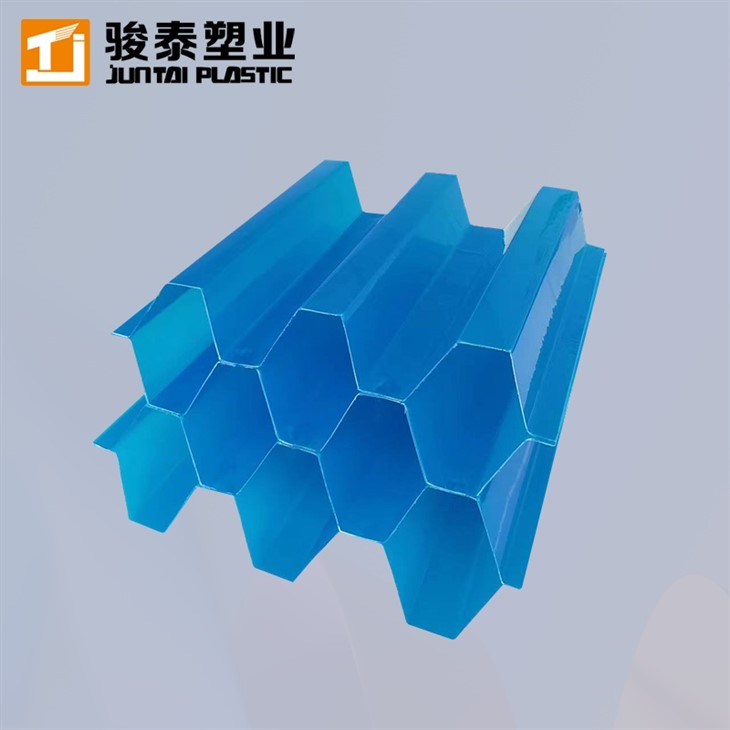
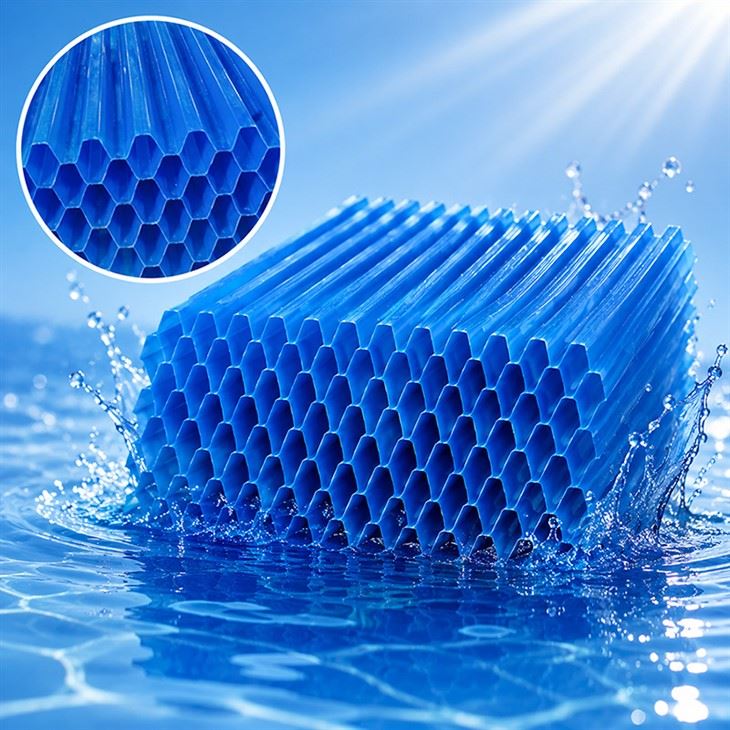
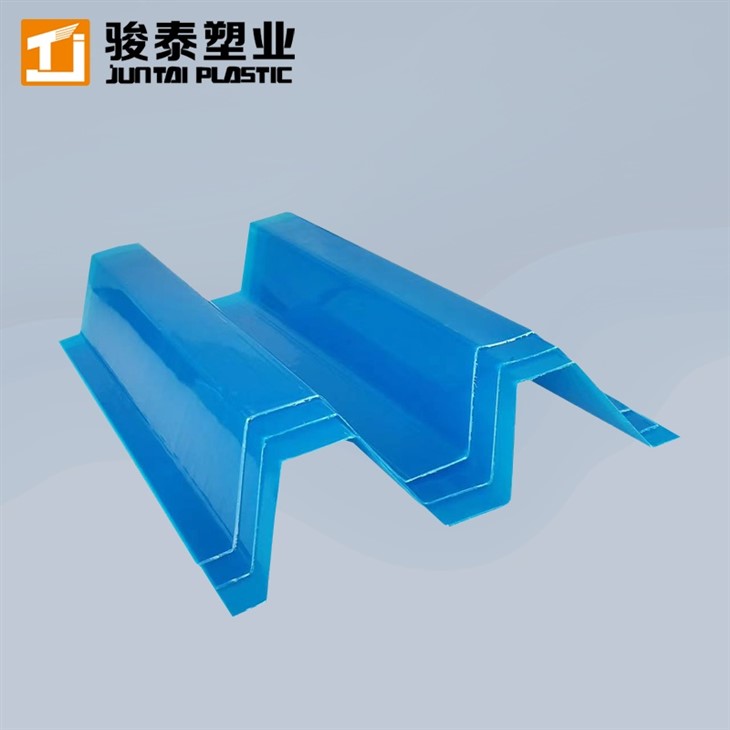
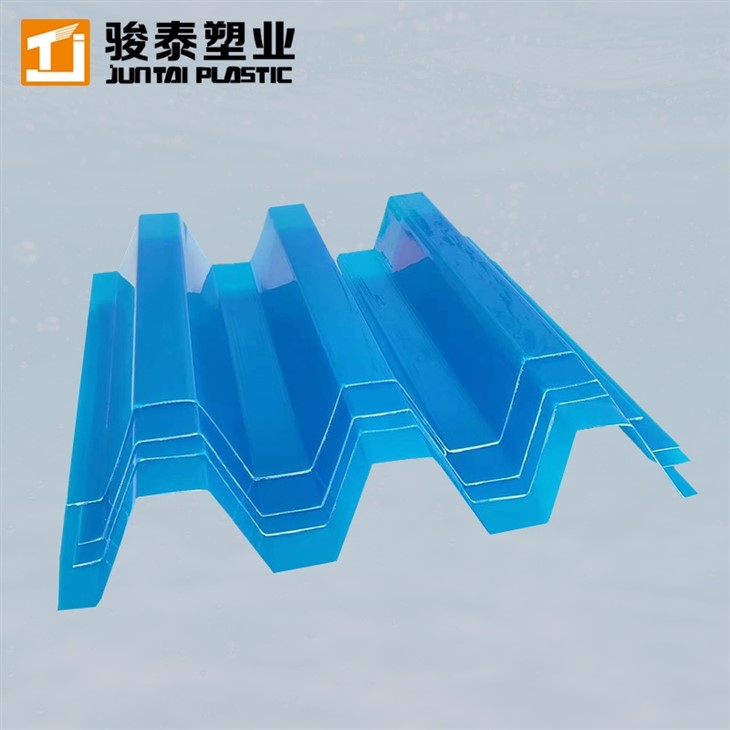

▬ Main product view
01 Key Advantages
In a conventional clarifier, a suspended particle must fall the full 2–4 metres of water depth before it's captured. A Juntai tube settler collapses that settling path to the width of a single channel - just 25–80 mm, a 50–160× reduction in settling distance. The engineering breakthrough is holding stable laminar flow (Reynolds number < 500) inside every 60° inclined channel: settled solids slide down the walls by gravity into the sludge hopper while clarified water continues upward - no turbulence, no re-entrainment, no mechanical scrapers. At 60°, each metre of module height projects roughly 0.87 m² of effective settling area, so total effective surface multiplies 6–10× the tank footprint.
|
15–30 min
HRT from Hours to Minutes
Laminar flow through 60° inclined channels delivers 15–30 min HRT vs 2–4 hr for conventional basins. The 25–80 mm settling path replaces the full 2–4 m water column.
|
85%
Smaller Footprint
Projected settling area multiplied 6–10× by inclined channels. A 1,000 m³/d plant fits in ~8 m² vs ~50 m² for an open basin - same throughput, less than a fifth the space.
|
2–5 days
Retrofit Without Civil Works
Modular tongue-and-groove panels drop into existing clarifiers. Install in 2–5 days, commission within 72 hours. Zero concrete, zero downtime for adjacent treatment units.
|
30–50%
Less Coagulant
Efficient solids contact in the laminar regime reduces chemical demand vs turbulent open basins. Verified across 500+ installations worldwide - recurring opex savings, not just capex.
|
02 Technical Specifications
|
▬ Cross-section & grid layout |

03 Tube Settler vs Conventional Clarifier
The table below quantifies what switching to tube settlers changes on your operating sheet - retention time, footprint, sludge handling, coagulant use and maintenance. Every row is measurable at your plant.
|
Parameter
|
Juntai Tube Settler
|
Conventional Open Basin
|
|
Hydraulic retention time
|
15–30 min
|
2–4 hours
|
|
Surface loading rate
|
10–25 m/h (0.8–6.0 m³/h·m²)
|
1–3 m/h
|
|
Footprint for 1,000 m³/d
|
~8 m²
|
~50 m²
|
|
TSS removal efficiency
|
≥ 92%
|
70–80%
|
|
Sludge removal
|
Gravity self-cleaning - no moving parts
|
Mechanical scraper + drive motor required
|
|
Installation (retrofit)
|
2–5 days, zero civil works
|
Months (new construction or basin expansion)
|
|
Coagulant consumption
|
Baseline minus 30–50%
|
Full dosage required
|
|
Max practical influent TSS
|
≤ 1,500 mg/L (≤ 2,000 with φ80mm)
|
≤ 500 mg/L (above this, overflow risk)
|
|
Cold water performance
|
Maintains efficiency at 5°C
|
Degraded below 10°C (viscosity increase)
|
|
Maintenance
|
Annual visual inspection + periodic hose-down
|
Quarterly scraper mechanism servicing
|
04 Tube Settler Diameter Selection Guide
Four channel diameters engineered for specific influent characteristics. The decision rule: higher TSS or fouling risk → larger diameter to prevent clogging; lower TSS → smaller diameter to maximise surface area.
|
φ25 mm - High Clarity

SSA: ~139 m²/m³ (highest in range)
Influent TSS: ≤ 300 mg/L
Surface loading: 1.5–2.5 m/h
Material: PP (food-grade)
Typical effluent: < 2 NTU
Best for: Drinking water, beverage processing, low-turbidity raw water
Applications: Potable water plants, pre-filtration for RO
|
φ35 mm - General Purpose

SSA: ~109 m²/m³
Influent TSS: ≤ 800 mg/L
Surface loading: 2.0–3.0 m/h
Material: PP or PVC (UV-stabilised)
Typical effluent: < 5 NTU
Best for: Municipal STP, general industrial wastewater
Applications: Secondary clarifiers, stormwater pre-treatment
|
φ50 mm - Heavy Duty

SSA: ~87 m²/m³
Influent TSS: ≤ 1,500 mg/L
Surface loading: 2.5–4.0 m/h
Material: PVC (industrial-grade)
Typical effluent: < 10 NTU
Best for: Sewage, mining, chemical plant effluent
Applications: Mining tailings, food processing, textile dye
|
φ80 mm - Extreme Load

SSA: ~50 m²/m³ (lowest SSA, highest flow)
Influent TSS: ≤ 2,000 mg/L
Surface loading: 3.0–6.0 m/h
Material: PVC (heavy-duty)
Typical effluent: < 20 NTU
Best for: Extreme TSS, coarse solids, high hydraulic load
Applications: Dredging runoff, quarry wash water, primary treatment
|
05 Applications
|
Drinking Water Treatment Plants
φ25 mm PP food-grade modules reduce turbidity to <2 NTU ahead of filtration and maintain performance during seasonal high-turbidity events. Compatible with NSF/ANSI 61 requirements.
Primary & Secondary Clarifiers
φ35–50 mm PVC for municipal STPs handling 500–50,000 m³/d. Reduces downstream BOD load on biological stages; retrofit into existing basins for 2–3× capacity gain.
Mining, Chemical, Food & Beverage
φ50–80 mm heavy-duty PVC handles acidic/alkaline effluent, variable TSS loads and shock hydraulic events. Chemical-resistant formulation for aggressive process water.
Retrofit Capacity Expansion
Install modules into current basins - double throughput without a single new concrete pour. 2–5 day installation, zero downtime for adjacent treatment units.
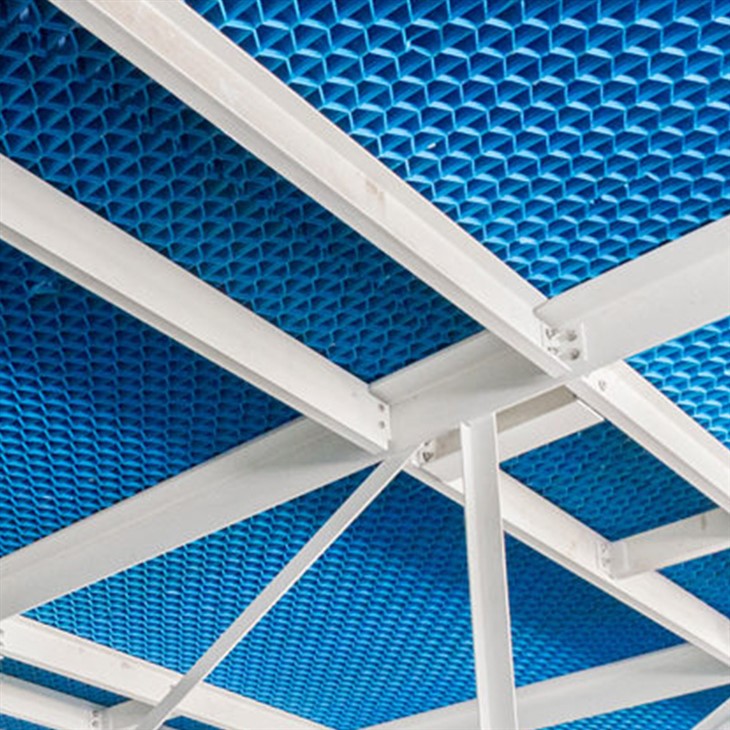
|
▬ Typical field application |

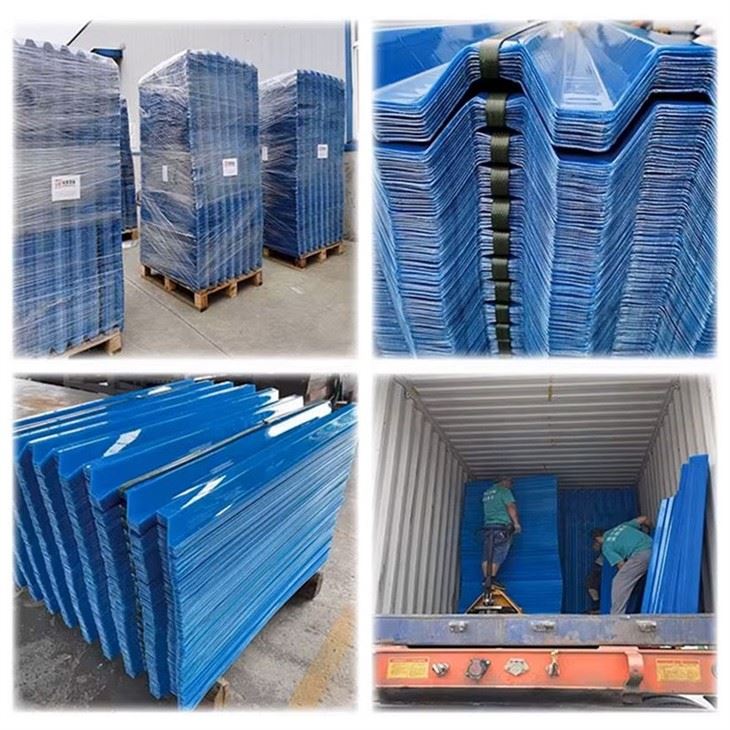
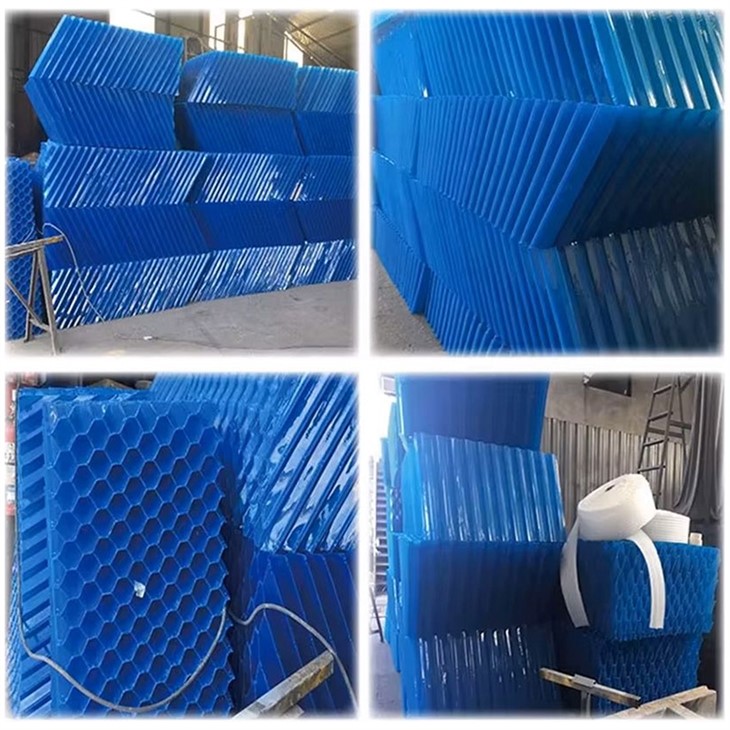
06 From Our Factory

▬ Production line
Name:TL50PP
Diameter:50 mm
Color:Blue or white
Material:100% New PP with UV protector
Piece Per CBM:30 piece
Resistance : UV, Chloride, Acid, Oil
Certificate: FDA standard with SGS certificate
Fulfills all drinking water requirements like eg NSF, KTW, ACS, DWI 31
Gravity: 0.92g/cm3
Slope: 60°
surface area: more than 95 m2/m3


