


MBBR Media Material Selection: A Comprehensive Technical Analysis
Fundamental Principles of MBBR Media Material Science
Moving Bed Biofilm Reactor (MBBR) technology represents a significant advancement in biological wastewater treatment, with media material selection serving as the cornerstone of system performance. As a wastewater treatment specialist with extensive experience in biological process optimization, I have witnessed firsthand how material properties directly influence treatment efficiency, operational stability, and life-cycle economics. The fundamental purpose of MBBR media is to provide optimal surface area for microbial colonization while maintaining structural integrity under continuous hydraulic stress. Different materials achieve this balance through varying combinations of density, surface characteristics, and mechanical properties that collectively determine their suitability for specific applications.
The science behind MBBR media materials involves complex interactions between polymer chemistry, surface modification technologies, and biofilm ecology. Materials must provide not only initial attachment points for microorganisms but also sustained environmental conditions that promote diverse microbial community development. The surface energy of the media directly affects the initial bacterial adhesion phase, while the surface topography influences biofilm thickness and density. Furthermore, material flexibility impacts the natural turbulence-induced cleaning mechanism that prevents excessive biofilm accumulation, maintaining optimal mass transfer characteristics throughout the operational lifespan. These multifaceted requirements have driven the development of specialized materials tailored to specific wastewater treatment challenges.
The evolution of MBBR media materials has progressed from early experimentation with conventional plastics to sophisticated engineered polymers with customized surface properties. Modern media materials undergo rigorous testing for biofilm formation kinetics, abrasion resistance, chemical stability, and long-term performance retention. The material density must be carefully calibrated to ensure proper fluidization while preventing media carryover or dead zone formation. This delicate balance between buoyancy and mixing requirements varies significantly between applications, explaining why no single material represents the universal solution for all MBBR implementations.

Comparative Analysis of Primary MBBR Media Materials
High-Density Polyethylene (HDPE) Media Characteristics
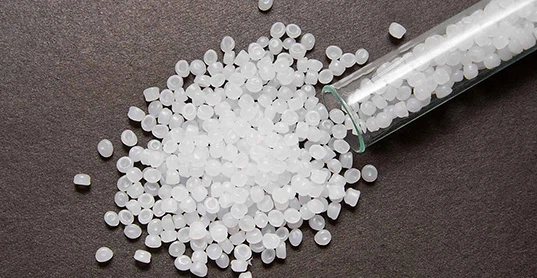
High-Density Polyethylene stands as the predominant material in modern MBBR applications due to its exceptional balance of performance characteristics and economic viability. HDPE media typically demonstrate densities ranging from 0.94-0.97 g/cm³, creating the slight negative buoyancy that promotes ideal mixing patterns in most wastewater environments. The material's inherent chemical resistance makes it suitable for applications with variable pH conditions and exposure to common wastewater constituents, including hydrocarbons, acids, and alkalis. This robustness translates to extended service life, with properly manufactured HDPE media typically maintaining functional integrity for 15-20 years under normal operating conditions.
The surface properties of HDPE media have undergone significant refinement to enhance biofilm development while maintaining effective sloughing characteristics. Advanced manufacturing techniques create controlled surface textures that increase protected surface area without compromising the self-cleaning mechanisms essential for long-term performance. The thermal stability of HDPE allows for operation across temperatures from -50°C to 80°C, accommodating seasonal variations and specific industrial applications with elevated temperatures. While the basic polymer provides excellent mechanical properties, manufacturers often incorporate UV stabilizers and antioxidants to prevent degradation in uncovered applications or those with disinfectant residuals that could accelerate material aging.
Polypropylene (PP) Media Applications and Limitations
Polypropylene media occupy a specialized niche within the MBBR landscape, offering distinct advantages in specific applications despite some limitations in general use. With a density of 0.90-0.91 g/cm³, PP media typically float higher in the water column than their HDPE counterparts, creating different mixing dynamics that may benefit certain reactor configurations. The material demonstrates superior resistance to chemical attack from solvents and chlorinated compounds, making it preferable for industrial applications where these constituents are present. However, PP's lower temperature tolerance (maximum continuous service around 60°C) and reduced impact strength at lower temperatures represent significant constraints for some installations.
The surface characteristics of polypropylene present both opportunities and challenges for biofilm development. The inherently low surface energy of PP can slow initial biofilm establishment, though this effect is often mitigated through surface modification techniques including plasma treatment, chemical etching, or incorporation of hydrophilic additives. The stiffness of virgin PP provides excellent structural stability but may lead to brittle fracture under extreme mechanical stress, particularly in colder climates. For applications requiring chemical resistance beyond HDPE's capabilities, specially formulated PP compounds with enhanced impact modifiers offer a viable alternative, though typically at a premium cost that must be justified by specific operational requirements.
Polyurethane (PU) Foam Media for Specialized Applications
Polyurethane foam media represent a distinct category within biological carrier options, offering exceptionally high surface area-to-volume ratios through their porous three-dimensional structure. With densities typically below 0.2 g/cm³, PU media float prominently in the water column, creating unique hydrodynamics that can enhance oxygen transfer in certain configurations. The macroporous structure provides both external and internal surface areas for biofilm development, creating protected microenvironments that can sustain specialized microbial populations through toxic shock events or operational upsets. This characteristic makes PU media particularly valuable for applications requiring resilient nitrification or treatment of recalcitrant compounds.
The material composition of polyurethane foam media introduces specific considerations regarding long-term stability and maintenance requirements. While the extensive surface area enables high biomass concentrations, the porous structure can become clogged with excessive biofilm growth or inorganic precipitates without proper management. The organic nature of polyurethane makes it susceptible to gradual biodegradation under certain conditions, typically limiting service life to 5-8 years in continuous operation. Furthermore, the soft, compressible nature of foam media requires careful consideration during backwashing or air scouring operations to prevent physical damage. These factors generally restrict PU media to applications where their unique advantages justify the increased operational attention and reduced service life compared to conventional plastic carriers.
Table: Comprehensive Comparison of MBBR Media Materials
| Material Property | HDPE | Polypropylene | Polyurethane Foam | Specialty Composites |
|---|---|---|---|---|
| Density (g/cm³) | 0.94-0.97 | 0.90-0.91 | 0.15-0.25 | 0.92-1.05 |
| Temperature Resistance | -50°C to 80°C | 0°C to 60°C | -20°C to 50°C | -30°C to 90°C |
| pH Tolerance | 2-12 | 2-12 | 4-10 | 1-14 |
| Surface Area (m²/m³) | 500-800 | 450-700 | 800-1500 | 600-900 |
| Expected Service Life | 15-20 years | 10-15 years | 5-8 years | 20+ years |
| Chemical Resistance | Excellent | Superior (solvents) | Moderate | Exceptional |
| UV Degradation | Moderate (stabilized) | High (requires protection) | High | Variable |
| Cost Index | 1.0 | 1.2-1.5 | 1.8-2.5 | 2.5-4.0 |
Advanced and Composite Media Materials
Engineered Polymer Alloys and Additives
The ongoing evolution of MBBR media materials has led to the development of sophisticated polymer alloys that combine the advantageous properties of multiple base materials while mitigating their individual limitations. These advanced compounds typically begin with HDPE or PP matrices enhanced with elastomeric modifiers, mineral fillers, or surface-active additives that tailor performance for specific applications. The incorporation of elastomeric components improves impact resistance, particularly important in colder climates where standard plastics may become brittle. Meanwhile, mineral additives can fine-tune media density to achieve perfect neutral buoyancy under specific operating conditions, optimizing energy consumption for mixing while preventing media accumulation.
Surface modification technologies represent another frontier in advanced media development, with techniques ranging from gas plasma treatment to chemical grafting creating precisely engineered surface characteristics. These processes can increase surface energy to accelerate initial biofilm formation or create controlled surface patterns that enhance biomass retention. The integration of bioactive compounds directly into the polymer matrix represents an emerging approach, where slowly released nutrients or signaling molecules promote the development of specific microbial communities. While these advanced media command premium pricing, their targeted performance benefits can justify the additional cost through reduced startup periods, enhanced treatment stability, or improved resistance to toxic shocks.
Specialty Materials for Challenging Applications
Certain wastewater treatment scenarios demand media materials with properties beyond the capabilities of conventional plastics, driving the development of high-performance alternatives for extreme conditions. For high-temperature industrial applications, materials like polysulfone and polyetheretherketone (PEEK) offer continuous service temperatures exceeding 150°C while maintaining structural integrity and biofilm compatibility. Similarly, applications with extreme pH fluctuations or exposure to aggressive oxidizing agents may utilize fluoropolymers such as PVDF, which provide nearly universal chemical resistance at the expense of significantly higher material costs and more complex manufacturing requirements.
The growing emphasis on resource recovery has stimulated development of composite media that combine structural polymers with functional components that enhance treatment performance or enable additional processes. Media incorporating elemental iron or other redox-active metals facilitate simultaneous biological and abiotic contaminant removal, particularly valuable for treating halogenated compounds or heavy metals. Other composites integrate adsorbent materials like activated carbon or ion exchange resins within a structural polymer framework, creating hybrid treatment media that combine biological and physical-chemical processes within a single reactor. These advanced materials represent the cutting edge of MBBR technology, expanding the process capabilities far beyond conventional biological treatment.
Material Selection Criteria for Specific Applications
Municipal Wastewater Treatment Considerations
Municipal wastewater applications present a relatively stable operational environment that favors cost-effective, durable media materials with proven long-term performance. HDPE consistently represents the optimal choice for most municipal applications, providing the ideal balance of surface characteristics, mechanical durability, and life-cycle economics. The slightly negative buoyancy of HDPE media ensures excellent distribution throughout the reactor volume while minimizing energy requirements for mixing. The material's resistance to chemical degradation from cleaning agents, disinfectant residuals, and typical municipal wastewater constituents ensures consistent performance over extended service periods without significant material deterioration.
The surface design of municipal MBBR media requires careful optimization to support the diverse microbial communities necessary for complete carbon oxidation, nitrification, and denitrification. Media with protected surface areas prove particularly valuable for maintaining nitrifying populations through hydraulic surges or temperature variations that might otherwise wash out these slower-growing organisms. The mechanical strength of HDPE withstands the occasional debris that may enter municipal systems, preventing media damage that could compromise long-term performance. For plants incorporating chemical phosphorus removal, the chemical compatibility of HDPE with metal salts ensures media integrity isn't compromised by precipitation or coating issues that might affect alternative materials.
Industrial Wastewater Treatment Applications
Industrial applications present significantly more variable and challenging conditions that often necessitate specialized media materials tailored to specific waste stream characteristics. For high-strength organic wastewaters with elevated temperatures, polypropylene media may offer advantages due to their lower density and superior resistance to certain industrial solvents. The food and beverage industry frequently employs PP media for treatment of high-fat, oil, and grease content waste streams where the material's non-polar surface characteristics provide better resistance to fouling. Similarly, pharmaceutical and chemical manufacturing operations handling chlorinated compounds often benefit from PP's enhanced chemical resistance profile.
The extreme conditions encountered in some industrial applications may justify the use of premium materials despite their higher initial cost. For wastewater with highly variable pH or containing strong oxidizing agents, PVDF media provide exceptional chemical stability that ensures long-term performance where conventional materials would rapidly degrade. Similarly, high-temperature industrial processes may require specialized thermoplastics that maintain structural integrity and surface characteristics under conditions that would cause HDPE or PP to soften or deform. The material selection process for industrial applications must carefully balance chemical compatibility, temperature resistance, and surface properties against economic considerations to identify the optimal solution for each specific scenario.
Future Directions in MBBR Media Material Development
Sustainable and Bio-based Materials
The growing emphasis on environmental sustainability is driving research into bio-based alternatives to conventional petroleum-derived polymers for MBBR media. Materials derived from polylactic acid (PLA), polyhydroxyalkanoates (PHA), and other biopolymers offer the potential for reduced carbon footprint and enhanced end-of-life options through industrial composting or anaerobic digestion. While current biopolymers face challenges regarding durability, cost, and consistent quality, ongoing advances in polymer science are gradually addressing these limitations. The development of bio-composite materials combining biopolymer matrices with natural fibers or mineral fillers represents a promising approach to achieving the mechanical properties required for long-term MBBR operation while maintaining environmental benefits.
The integration of recycled content into MBBR media represents another sustainability initiative gaining traction within the industry. High-quality recycled HDPE and PP can provide performance characteristics nearly identical to virgin materials while reducing plastic waste and conserving resources. The key challenges involve ensuring consistent material properties and avoiding contamination that could affect media performance or introduce undesirable compounds into the treatment environment. As recycling technologies advance and quality control measures improve, the utilization of post-consumer and post-industrial recycled materials in MBBR media is likely to increase, supported by life-cycle assessment data demonstrating environmental advantages over conventional alternatives.
Smart and Functionalized Media
The convergence of materials science with biotechnology is enabling development of next-generation media with capabilities far beyond conventional biofilm support. Media incorporating embedded sensors can provide real-time monitoring of biofilm thickness, dissolved oxygen gradients, or specific pollutant concentrations, transforming passive carriers into active process monitoring tools. Other approaches involve surface functionalization with specific chemical groups or biological ligands that selectively enhance the attachment of desirable microorganisms, potentially accelerating startup or improving process stability for specialized treatment applications.
The concept of programmed media represents perhaps the most revolutionary direction in MBBR material development, where carriers are engineered to actively influence the microbial ecology they support. This might include media that release specific nutrients or signaling compounds to promote desired metabolic pathways, or surfaces with controlled redox potential that create favorable conditions for targeted biological processes. While these advanced concepts remain primarily in research and development stages, they illustrate the significant potential for continued innovation in MBBR media materials that could dramatically enhance treatment capabilities, process control, and operational efficiency in future wastewater treatment systems.