


Our advantage

Enhanced separation process improves solids discharge
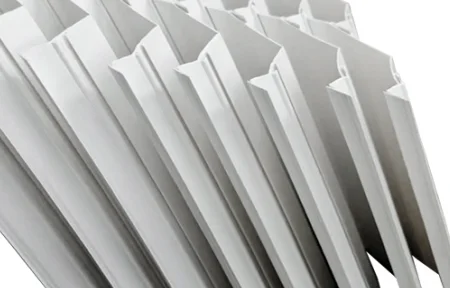
Mechanical strength simplifies installation and maintenance
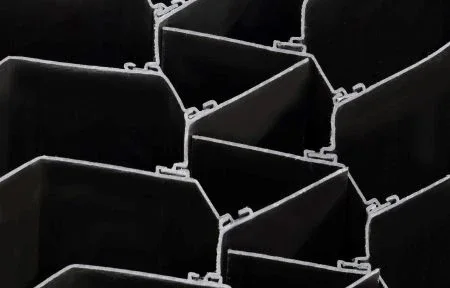
Reduced tank footprint minimizes space and cost
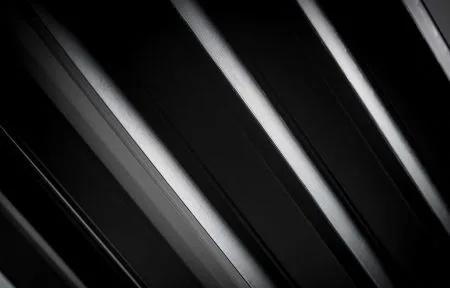
High quality standards and materials enables long and reliable service life
What Makes the Chevron Profile Different
Most tube settlers use a hexagonal honeycomb channel geometry - six walls forming a six-sided tube. It works. It's the industry standard. But it has a limitation: each channel is relatively narrow, and when solids loading spikes or fibrous material enters the stream, the six corners of the hexagon become collection points for accumulated solids. Given enough time and enough solids, clogging begins.
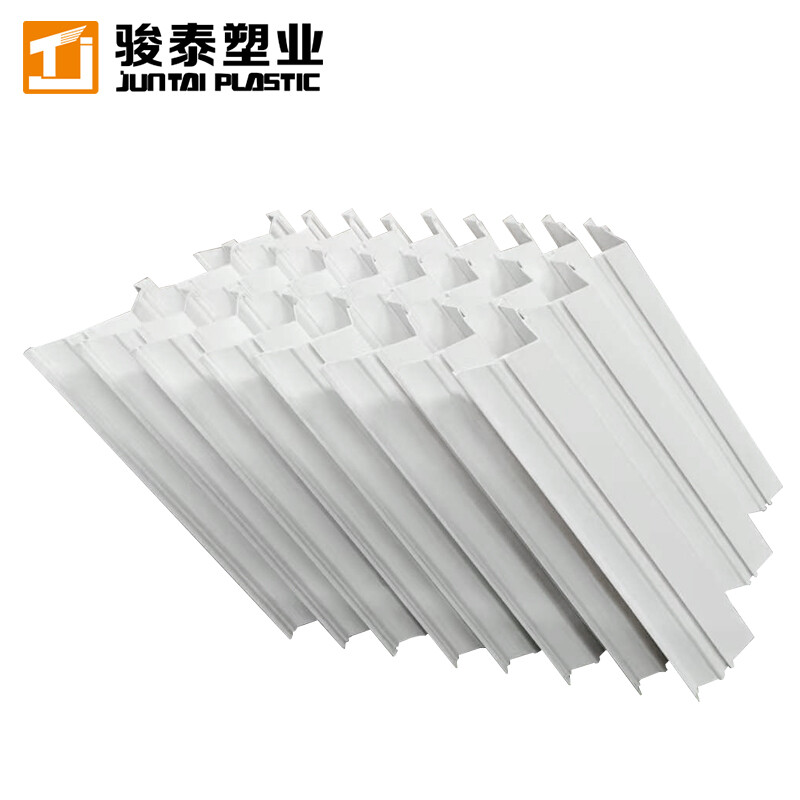
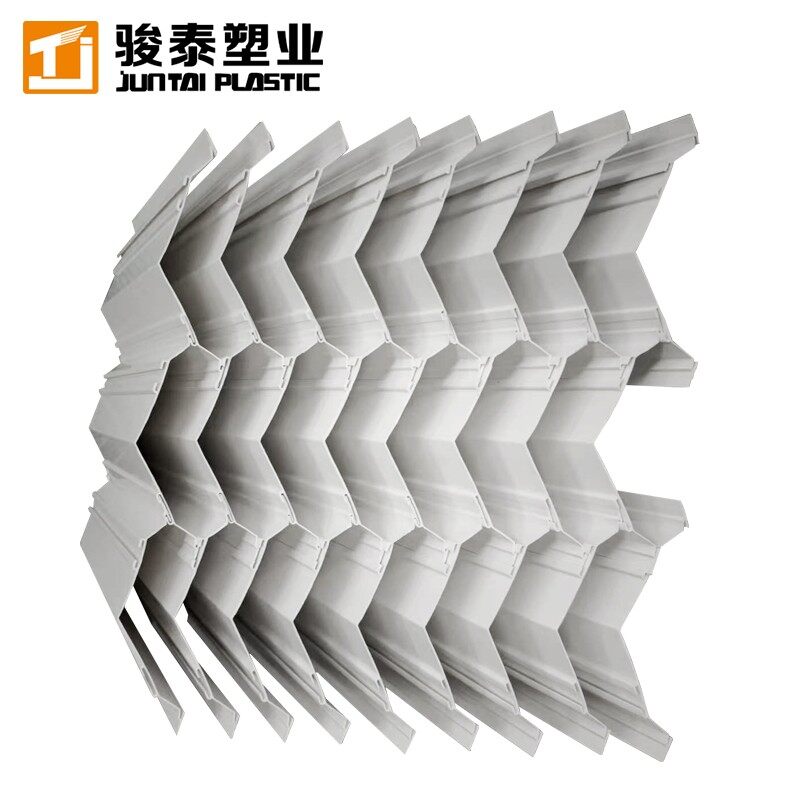
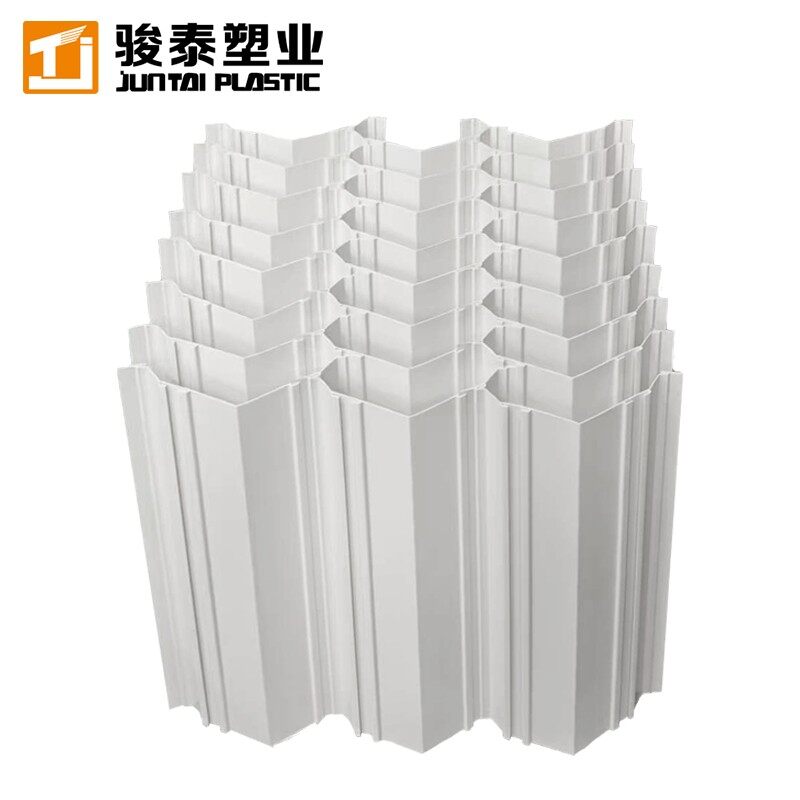
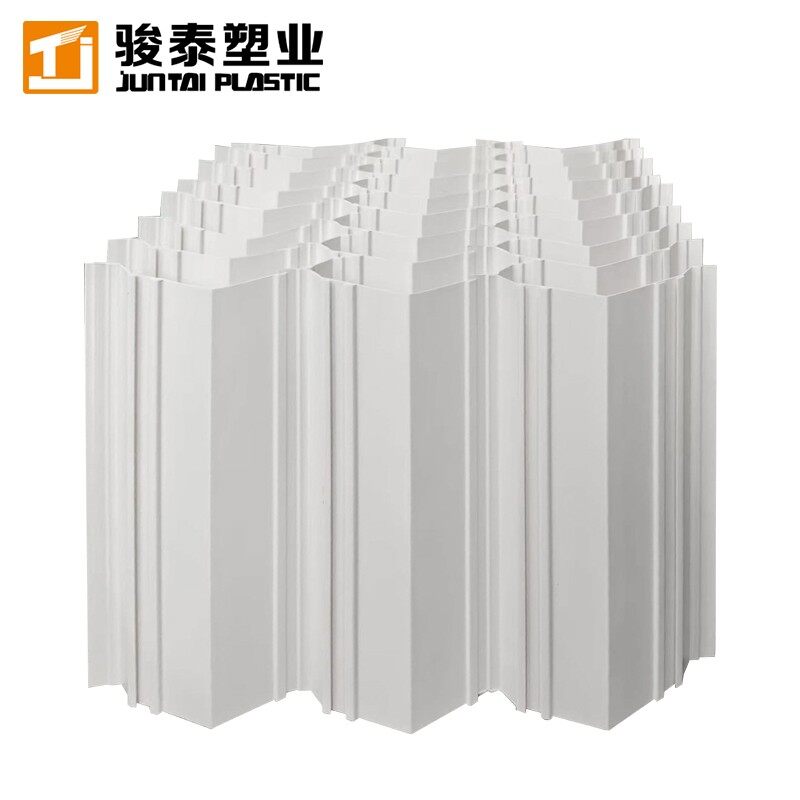
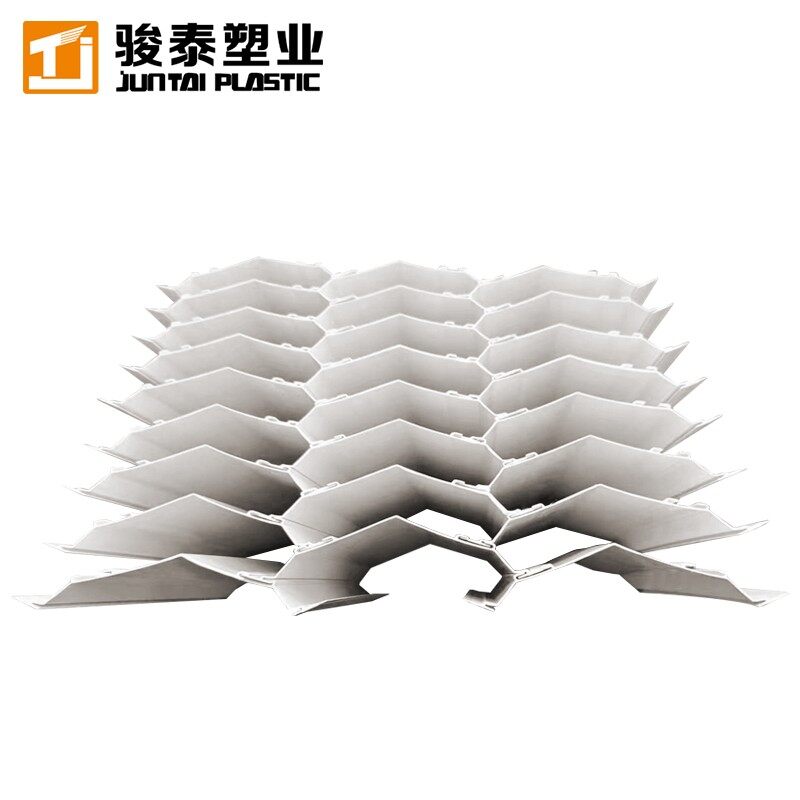
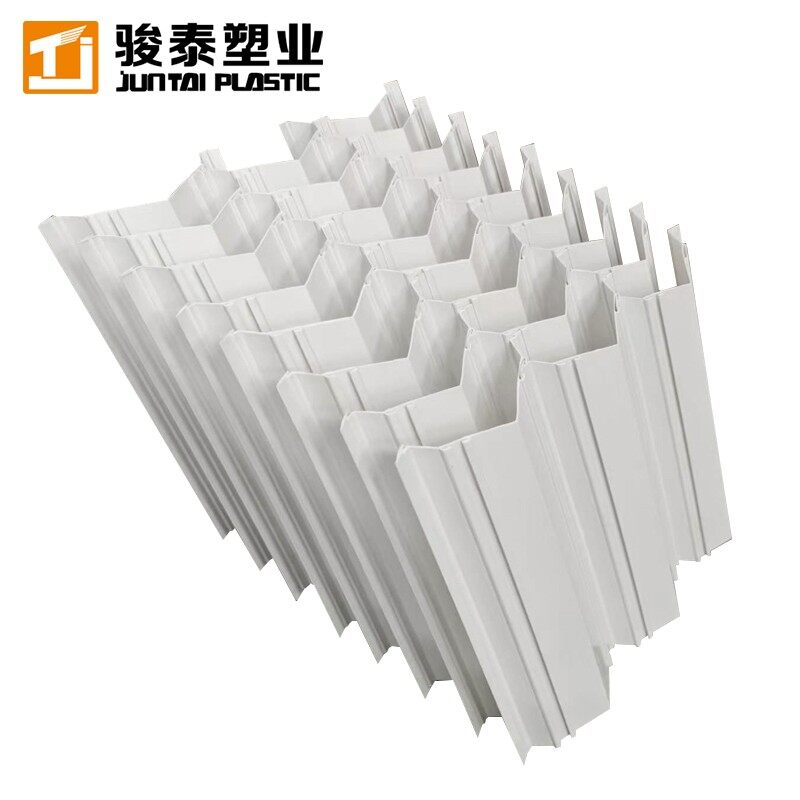
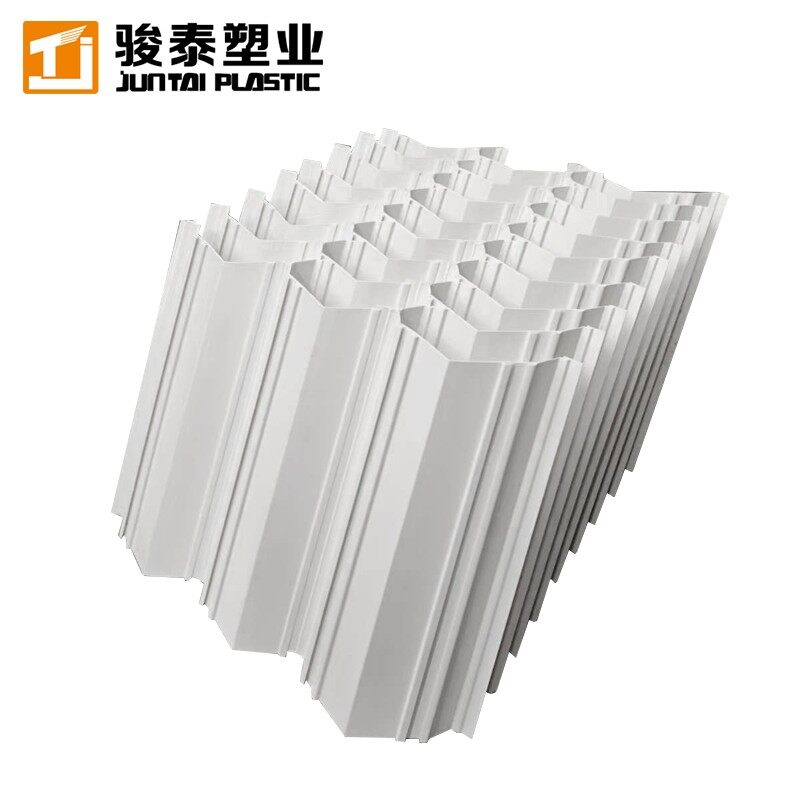
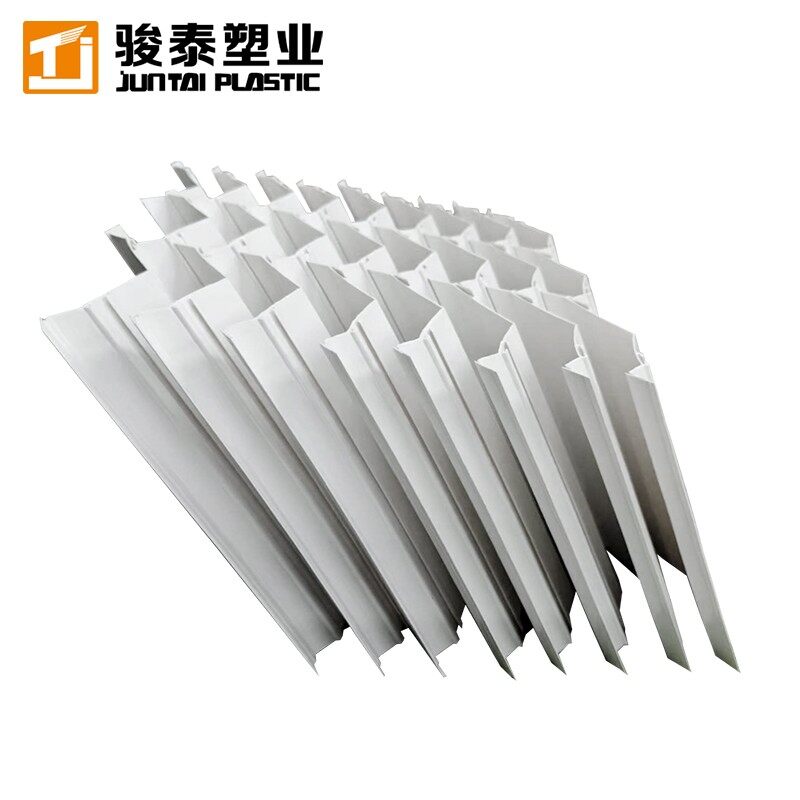
The JTLP 41.50 takes a different approach. Instead of hexagonal tubes, it uses V-shaped chevron channels - two walls forming an open V. The geometry changes everything:
| Feature | Conventional Honeycomb | JTLP 41.50 Chevron |
| Channel cross-section | Hexagonal, six corners, 25–80 mm ∅ | V-shaped chevron, open profile, hydraulic radius 17 mm |
| Clogging resistance | Moderate - corners trap solids over time | Superior - open V profile sheds solids continuously, no corners to trap debris |
| Solids discharge | Gravity slide along six walls | Enhanced - V-channel funnels solids downward more efficiently |
| Assembly | Solvent bonding or hot-air welding | Mechanical interlock, tool-free - no glue, no welding |
| Maintenance | Welded/bonded panels require full module replacement | Individual panel swap - remove one, replace one, no disruption |
Technical Specifications
| Parameter | Specification |
| Model | JTLP 41.50 |
| Channel Geometry | Chevron (V-shaped), counter-current flow |
| Panel Dimensions | 1,220 × 44 mm (±2 mm) - length customisable on request |
| Sheet Thickness | 1.0 mm (±0.1 mm) |
| Material | Reinforced outdoor-grade PVC + anti-UV formulation + hydrophobic surface treatment |
| Colour | White (standard) or customised |
| Sedimentation Area (at 55° slope) | 13 m²/m³ (4 ft²/ft³) |
| Hydraulic Radius | 17 mm |
| Module Height (Vertical) | 500–2,000 mm (standard: 1,000 mm / 40 inches) |
| Inclination Angle | 55° standard (optimised for chevron profile solids discharge) |
| Continuous Operating Temperature | 55 °C (131 °F) |
| Max. Operating Temperature (Short-Term) | 60 °C (140 °F) |
| Surface Properties | Hydrophobic, smooth surface finish, anti-blocking treatment |
| Assembly Method | Mechanical interlocking - no tools, no glue, no welding required |
| Service Life | 20+ years (reinforced outdoor PVC + anti-UV formulation) |
| Certifications | ISO 9001, CE Marked |
New-Generation Chevron vs Legacy Honeycomb
The tube settler industry has evolved. Here is an honest comparison between the JTLP 41.50 chevron system and the legacy honeycomb approach still used by most manufacturers:
| Dimension | Legacy Honeycomb Tube Settler | JTLP 41.50 Chevron Tube Settler |
| Channel Design | Hexagonal honeycomb, six walls per channel | V-shaped chevron, open profile, larger effective cross-section |
| Settling Efficiency | Moderate - short settling distance, standard footprint | Enhanced - improved solids discharge, 13 m²/m³ at 55° slope |
| Clogging Resistance | Moderate - debris accumulates in channel corners over time | Superior - open V profile, no corners, continuous self-shedding of solids |
| Installation | Glue or hot-air welding. Replacement is difficult - bonded panels must be cut out | Tool-free mechanical interlock. Single panels removed and replaced in minutes without disturbing adjacent modules |
| Material | Standard PVC or PP, basic UV stabilisation | Reinforced outdoor-grade PVC + hydrophobic surface + advanced anti-UV formulation |
| Service Life | 10–15 years | 20+ years - approximately 5–10 additional years |
| Labour Cost | Skilled labour for welding/bonding; higher maintenance labour for full module replacement | Lower - faster install, no skilled welding, individual panel maintenance |
| Footprint | Small - short settlement distance in compact tank | Further reduced - higher effective settling area per m³ of media volume |
Key Advantages
|
♦
Anti-Clogging Chevron Profile
Open V-shaped channels eliminate the six corner collection points where solids accumulate in hexagonal settlers. Hydraulic radius of 17 mm provides generous clearance for fibrous and sticky solids that would bridge conventional honeycomb channels.
|
♦
Tool-Free Modular Assembly
Individual V-shaped profiles mechanically interlock without tools, glue, or welding. Panels snap together on-site. Single damaged panels can be removed and replaced in minutes without touching adjacent modules. No cutting. No bonding. No shutdown.
|
♦
20+ Year Outdoor Service Life
Reinforced outdoor-grade PVC base material + proprietary anti-UV formulation + hydrophobic surface treatment. Rated for continuous operation at 55°C (60°C short-term). Approximately 5–10 additional years of service compared to standard PVC tube settler media.
|
♦
Enhanced Solids Discharge
The V-channel geometry funnels settled solids downward more efficiently than six-wall honeycomb. Combined with the hydrophobic PVC surface (repels water, attracts solids), the 55° slope creates a low-resistance slide path into the sludge hopper.
|
Applications
| Sector | Application |
| Potable Water | Surface water treatment, groundwater clarification, filter backwash water recovery |
| Municipal Wastewater | Secondary clarification, stormwater treatment, humus tanks behind fixed-film biological processes (MBBR, trickling filters, RBCs) |
| Industrial Process Water | Flocculated process water, cooling tower blowdown solids removal, pre-treatment before membrane or ion-exchange systems |
| Food & Beverage | Wash water solids recovery, primary treatment of high-organic-load effluent. Chevron profile resists clogging from fibrous food solids better than honeycomb. |
| Mining & Minerals | Tailings water clarification, process water recycling. 17 mm hydraulic radius and open V profile handle abrasive solids better than narrow-channel honeycomb. |
Frequently Asked Questions
Q: Chevron vs honeycomb - which one should I choose for my application?
This depends on your solids loading and maintenance priorities. If your water has consistently low solids (<300 mg/L TSS) with no fibrous or sticky material, either geometry works well. If you experience variable solids loading, fibrous content (from food processing, pulp & paper, or biological sloughing), or want to minimise maintenance interventions, the chevron profile is the better choice. Its larger hydraulic radius (17 mm) and open V shape provide significantly more tolerance to solids variation than the narrow corners of hexagonal channels. For drinking water applications with stable, low-turbidity raw water, either geometry delivers good results. When unsure, send us your water quality data for an application-specific recommendation.
Q: Can the JTLP 41.50 be installed in an existing tank designed for honeycomb settlers?
Yes. The JTLP 41.50 modules drop into the same support frame system used by conventional tube settlers. The panel dimensions (1,220 × 44 mm) and module height range (500–2,000 mm) accommodate most standard clarifier geometries. The mechanical interlocking system means you can remove old honeycomb panels and install JTLP 41.50 chevron panels as a direct replacement, using the existing stainless steel or FRP support beams. No tank modification required. This makes it a practical upgrade path when your existing tube settler media reaches end of life.
Q: What does "hydrophobic surface treatment" actually do?
Hydrophobic means water-repellent. On a tube settler surface, this has a practical effect: water beads up and slides off, while solids - which are generally hydrophilic (water-attracting) - make better contact with the channel walls and slide downward. This creates a natural separation dynamic: water flows up (clarified), solids slide down (settled). The anti-blocking treatment further reduces the tendency of sticky or fibrous solids to adhere to the PVC surface. In operation, this translates to longer intervals between cleaning cycles and more stable effluent quality.
Q: How does the 55° slope compare to the industry-standard 60° slope?
The JTLP 41.50 is optimised at 55° for the chevron geometry. The 60° standard used by honeycomb settlers is driven by the need for six-wall self-cleaning - at angles below 60°, solids tend to accumulate in hexagonal corners. The V-shaped chevron profile has no corners, so the critical angle for self-cleaning is lower. At 55°, the JTLP 41.50 projects more effective horizontal settling area (13 m²/m³) than a 60° honeycomb of equivalent volume, while maintaining reliable solids discharge. If your basin geometry requires 60°, contact us - the system can be configured at the steeper angle with adjusted performance data.
Q: Is the JTLP 41.50 suitable for outdoor, exposed installations?
Yes - this is what the "reinforced outdoor-grade PVC + anti-UV formulation" is specifically designed for. Standard PVC tube settlers exposed to direct sunlight can become brittle and discoloured within 5–8 years due to UV degradation. The JTLP 41.50's anti-UV additive package absorbs and dissipates UV radiation before it can break down the PVC polymer chains. Combined with the reinforced base material, this is why the product carries a 20+ year service life rating for outdoor installations. The white colour also reflects solar radiation, reducing thermal expansion stress on the modules.
Send us your tank dimensions, design flow rate, and water quality data. Our engineers will recommend the right tube settler geometry, size, and material for your specific conditions - with a complete quotation including support frame, media modules, and shipping. Response within 24 hours.
| Email Your Specs | WhatsApp: +86 13600513715 | Online Inquiry Form |


